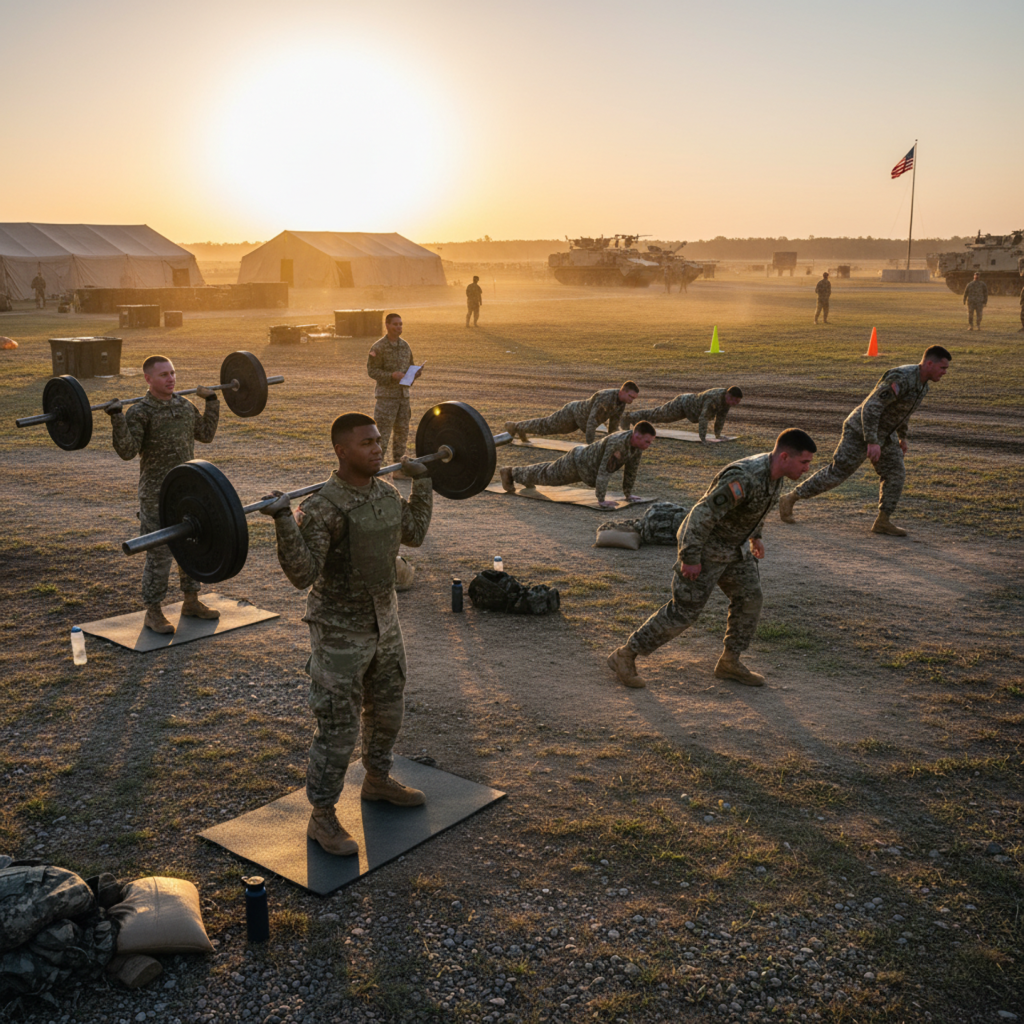
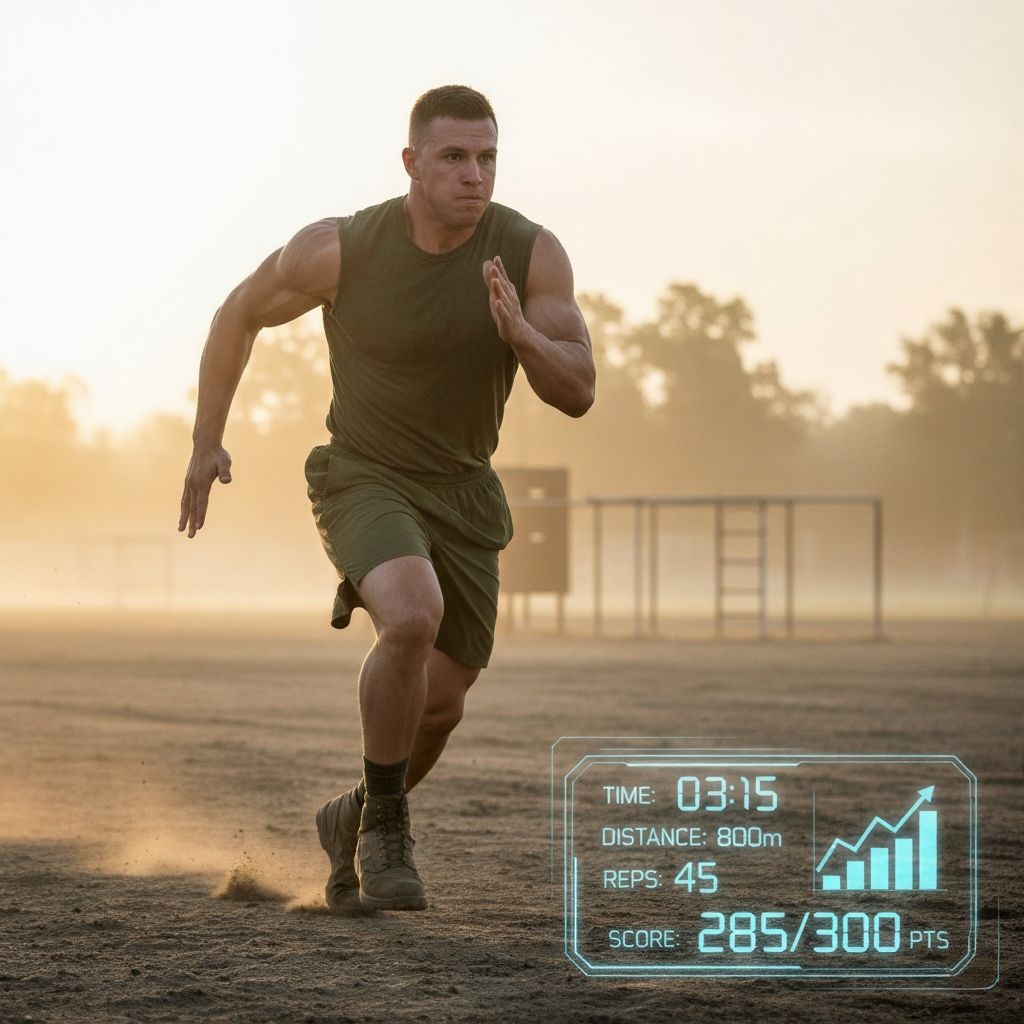
The Army Fitness Test (AFT) has become a central pillar in how soldiers are evaluated and promoted. In 2026, your fitness score isn’t just about passing; it directly impacts your career trajectory.
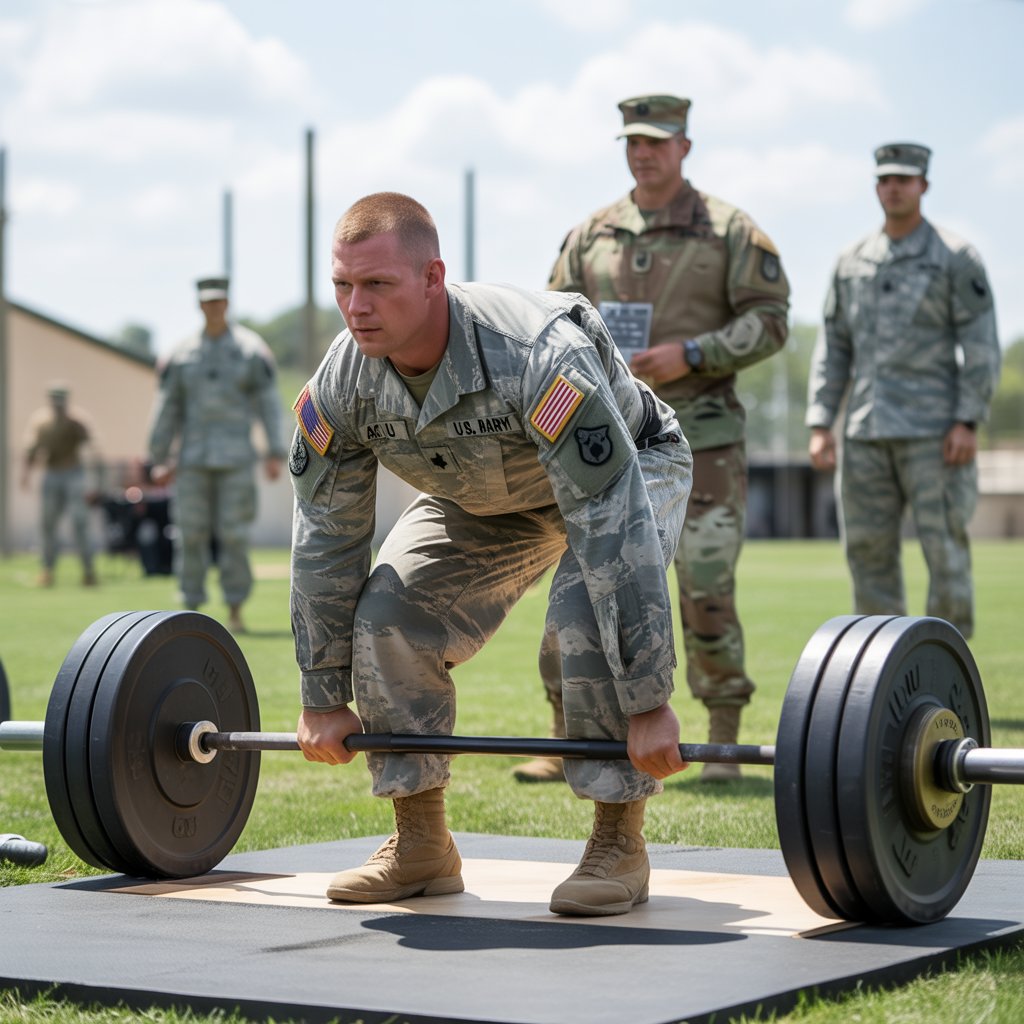
Understanding exactly how AFT scores translate into promotion points can be the difference between advancing your rank or watching peers move ahead. This guide breaks it all down clearly.
What Are Army Fitness Test (AFT) Promotion Points and How Do They Work?
The AFT promotion point system rewards soldiers who exceed minimum standards not just those who meet them.
Under the current Army evaluation framework, soldiers competing for promotion to Sergeant (SGT) and Staff Sergeant (SSG) earn points from multiple categories, and the AFT is one of the most controllable scoring areas available.
- Maximum points available from AFT: up to 60 points
- Points are awarded on a sliding scale based on performance
- Soldiers must pass the AFT before any promotion points are even considered
- Scores are calculated using age and gender-normed standards
The higher your score above the minimum threshold, the more points you accumulate toward your promotion packet total.
How AFT Scores Are Calculated for Promotion Point Eligibility in 2026
Your raw fitness performance is converted into a point value using the Army’s official scoring tables updated for 2026.
The AFT consists of three graded events:
| AFT Event | Maximum Raw Score | Points Toward Promotion |
|---|---|---|
| 3 Repetition Maximum Deadlift | 340 lbs (varies by age/gender) | Up to 20 points |
| Hand Release Push-Up | 60 reps | Up to 20 points |
| 2-Mile Run | Sub 13:30 (varies) | Up to 20 points |
Key Scoring Thresholds to Know
- 60 points: Achieved only by maxing all three events
- 40–59 points: Strong competitive range for promotion boards
- Below 30 points: Significantly weakens your promotion packet
- Failure: Disqualifies you from promotion consideration entirely
Each event is scored independently, then totaled for your final AFT promotion point value.
Why AFT Scores Matter More for Promotion in 2026 Than Ever Before
The Army has shifted its culture physical readiness is now treated as a leadership and readiness indicator, not just a fitness metric.
Several policy changes have elevated the weight of AFT scores in 2026:
- Holistic Health and Fitness (H2F) integration means commanders review fitness trends, not just snapshots
- Semi-centralized promotion boards now scrutinize AFT performance more closely
- Soldiers with maxed or near-maxed AFT scores stand out immediately in competitive packets
- The Army has linked physical readiness to leadership potential in updated AR 600-8-19
A mediocre AFT score won’t disqualify you outright but in a tight promotion environment, it could be exactly what separates you from the next candidate.
The Full Promotion Point Breakdown: Where AFT Fits In
AFT is just one category but it’s one of the few you can directly control and improve.
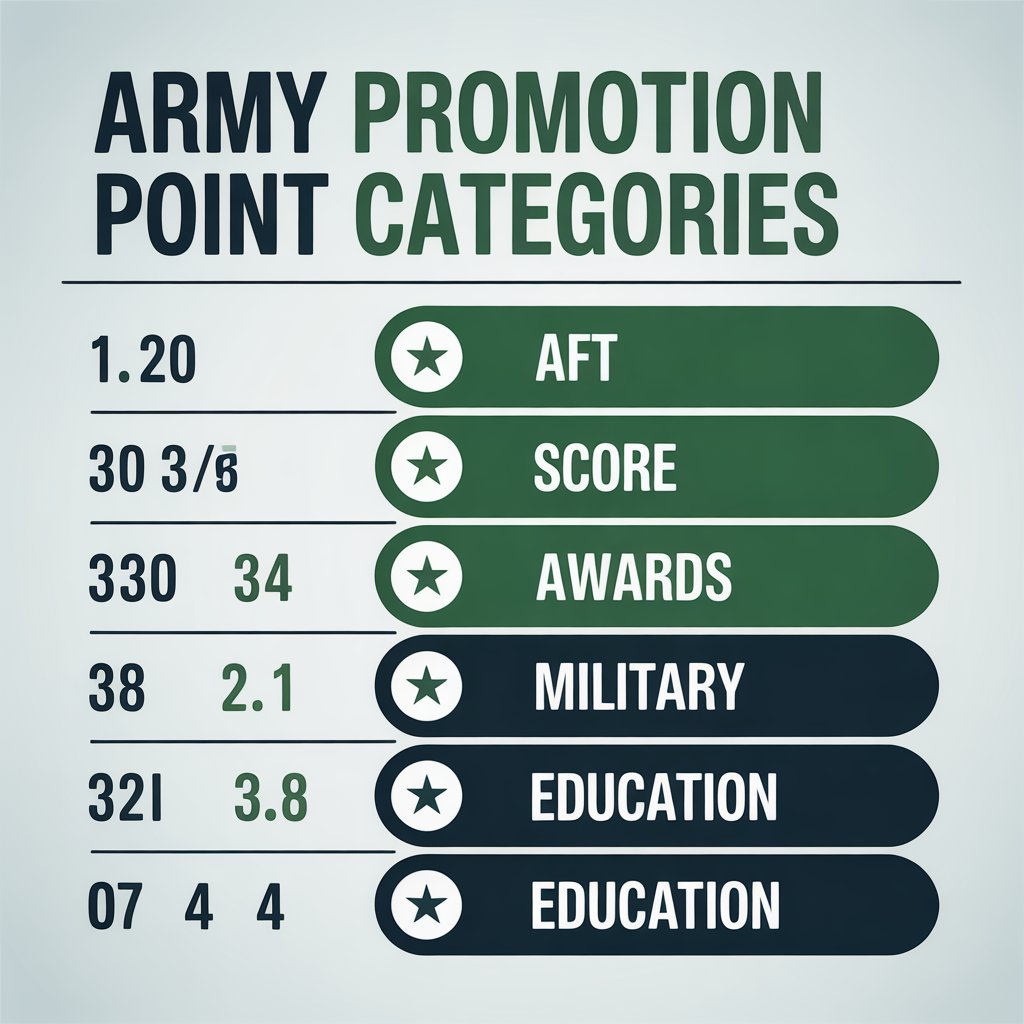
Here’s how the full SGT/SSG promotion point system breaks down in 2026:
| Category | Maximum Points |
|---|---|
| Army Fitness Test (AFT) | 60 |
| Awards | 125 |
| Military Education | 260 |
| Civilian Education | 100 |
| Military Training | 75 |
| Total Possible | 800+ |
Why AFT Is a High-Value Target
- It’s repeatable you can improve your score with focused training
- Unlike awards or time-in-service, you have direct agency over your fitness
- A maxed AFT signals discipline and commitment to board members
- Soldiers near promotion cutoff scores often close the gap through fitness alone
How to Maximize Your AFT Score for More Promotion Points
Improving your AFT score is the most immediate and actionable step most soldiers can take to boost their promotion packet.
Deadlift Improvement Tips
- Train hip hinge mechanics before adding weight
- Follow a progressive overload program add 5–10 lbs weekly
- Focus on posterior chain strength: glutes, hamstrings, lower back
- Use the trap bar deadlift in training to mimic the test movement
Hand Release Push-Up Improvement Tips
- Practice full ROM (range of motion) reps daily quality over quantity
- Build chest, tricep, and shoulder endurance with high-rep accessory work
- Train in sets of 10–15 reps with 60-second rest periods
- Taper intensity 3–5 days before your official test
2-Mile Run Improvement Tips
- Incorporate interval training (400m and 800m repeats) weekly
- Build an aerobic base with longer, slower runs 2–3 times per week
- Track your per-mile pace and set weekly improvement goals
- Avoid overtraining rest days are part of the program
Common Mistakes Soldiers Make With AFT and Promotion Points
Many soldiers unknowingly leave promotion points on the table due to avoidable errors.
- Training only to pass: Meeting the minimum doesn’t earn maximum points you must exceed standards
- Ignoring one event: A weak deadlift or slow run drags your total score down significantly
- Testing while undertrained: Taking the AFT before you’re ready locks in a lower score
- Not retesting: Some soldiers don’t realize they can improve their recorded score by requesting a retest under proper conditions
- Skipping the scoring table: Many soldiers estimate their points incorrectly always verify using the official HRC scoring tables
Being strategic about when and how you test is just as important as the training itself.
How AFT Scores Appear in Your Official Promotion Packet
Your AFT results don’t just exist in a vacuum they’re formally recorded and reviewed.
Where Your Score Lives
- Recorded in IPPS-A (Integrated Personnel and Pay System Army)
- Visible to promotion board members during centralized reviews
- Linked to your Soldier Record Brief (SRB)
- Must be current and passing at the time of promotion consideration
What Board Members Look For
- A consistent trend of strong scores over multiple testing periods
- Evidence of improvement if past scores were lower
- Maxed events are noted positively, especially for SSG and above
- Any failed AFT in recent history raises immediate red flags
Make sure your scores are accurately recorded in IPPS-A well before your promotion window opens.
AFT Score Improvement Timeline: When to Start Training for Promotion
Timing your fitness peak to align with your promotion window is a smart, strategic move.
| Timeline | Action |
|---|---|
| 6 months out | Identify weak events; start structured training program |
| 4 months out | Run a mock AFT to establish baseline; adjust program |
| 2 months out | Increase intensity; focus on event-specific drills |
| 3–4 weeks out | Begin taper phase; reduce volume, maintain intensity |
| 1 week out | Light activity only; prioritize sleep and nutrition |
| Test day | Warm up properly; execute with full effort |
Starting early gives you the longest runway to improve and the best chance of locking in a high score before your packet is submitted.

Asad Ullah is the founder and lead researcher at CombatFitnessScore.com, a resource dedicated to helping U.S. Army soldiers, ROTC cadets, and fitness enthusiasts understand and prepare for the Army Fitness Test (AFT).
With a deep interest in military fitness and physical readiness, [Author Name] has spent considerable time studying official U.S. Army regulations, FM 7-22 (Army Physical Readiness Training), and the latest AFT scoring standards published by the Department of the Army.
Every article and calculator on this site is built on official Army data — not guesswork. [Author Name] regularly updates content to reflect the latest policy changes, including the 2025 transition from the ACFT to the AFT.
What this site covers:
AFT & ACFT scoring standards by age, gender, and MOS
Training tips based on Army-approved methods
Score calculators updated with the latest 2026 data
Have a question or found an error? Reach out at [email] — accuracy is our top priority.