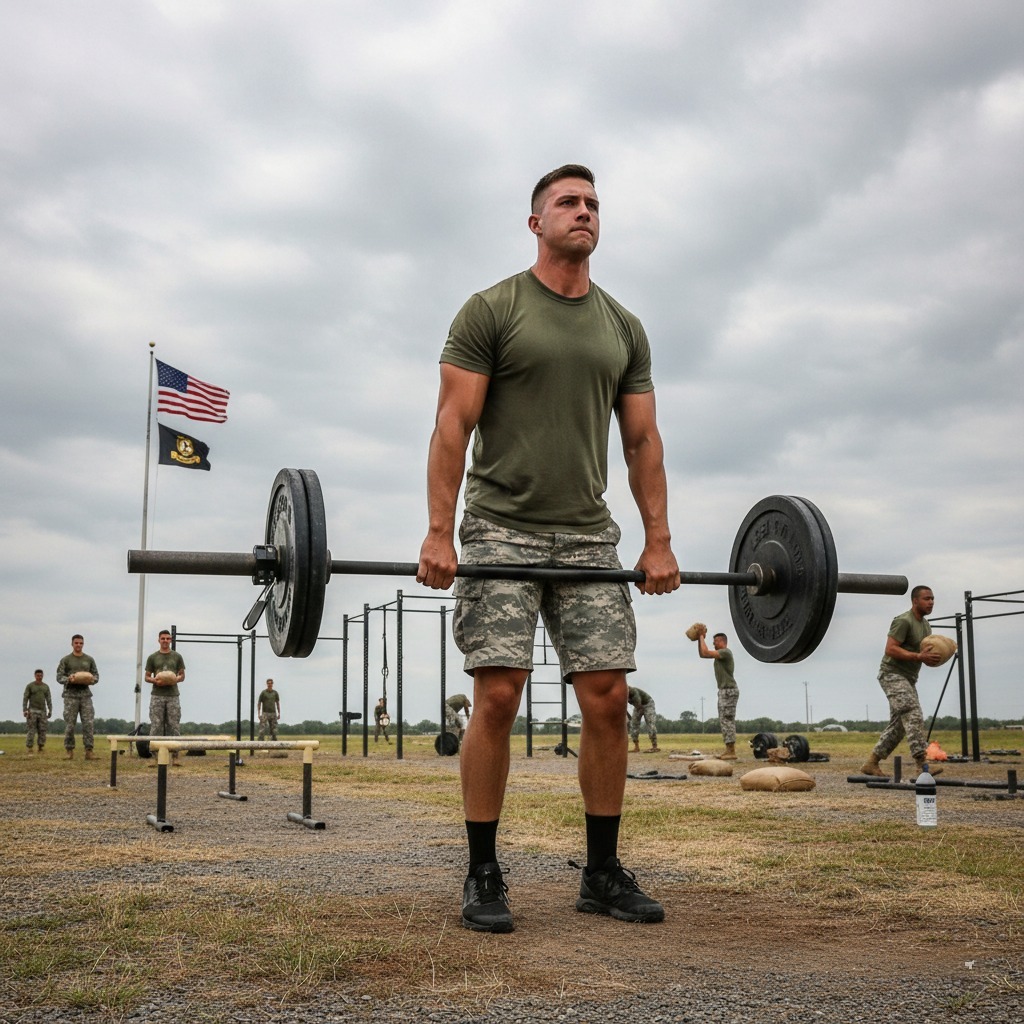
Most of us have used the same excuse at some point: there simply isn’t enough time to exercise. Between work, family, and the relentless pace of modern life, even a 30-minute gym session can feel like an impossible ask. But what if five minutes was genuinely enough to get started and to start seeing results?
A growing body of scientific research suggests that brief, consistent bouts of physical activity can produce measurable improvements in both muscular strength and psychological wellbeing. This isn’t a fitness hack or a marketing slogan. The evidence is real, the mechanisms are understood, and the implications matter for anyone who has ever told themselves they’re too busy to work out.
What the Research Shows
Several peer-reviewed studies have examined the effects of very short exercise sessions ranging from four to ten minutes on physical and mental health outcomes. The findings consistently challenge the long-held assumption that longer workouts are always better.
A 2022 study published in the European Heart Journal found that just 11 minutes of moderate-intensity exercise per day was associated with a significantly reduced risk of cardiovascular disease, cancer, and all-cause mortality. Other research from McMaster University demonstrated that brief, high-effort intervals as little as one minute of intense effort within a 10-minute session produced cardiovascular and metabolic benefits comparable to much longer traditional workouts.
For strength specifically, studies on time-efficient resistance training show that a single set performed to near-failure can be nearly as effective for muscle development as multiple sets, particularly for untrained individuals beginning a new routine.
Why It Works
The science behind short workouts comes down to the concept of stimulus, not duration. Your muscles and cardiovascular system don’t measure time they respond to intensity and mechanical stress. When you challenge your body sufficiently, even briefly, it initiates the same adaptive responses as a longer session.
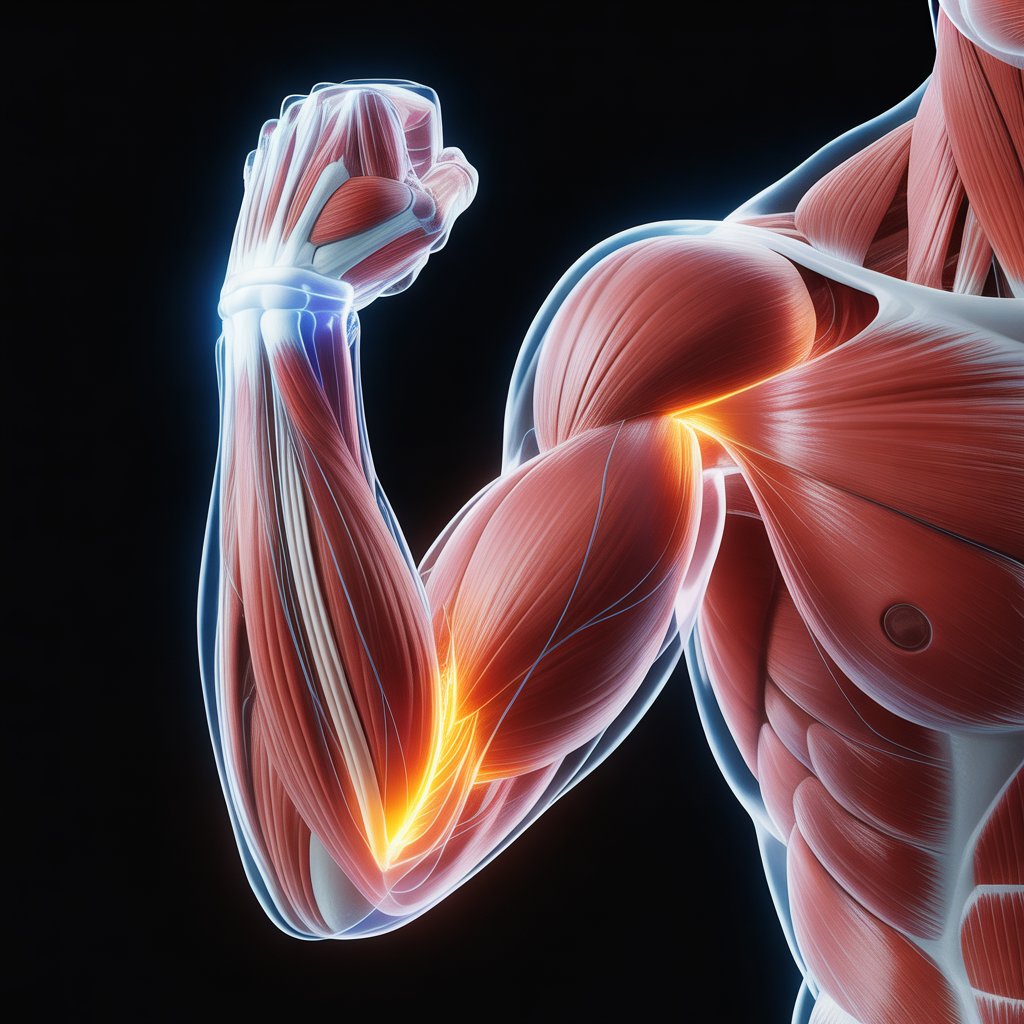
For strength, this means muscle protein synthesis the process your body uses to repair and build muscle fibers is triggered by the effort, not the clock. For cardiovascular health, short periods of elevated heart rate improve cardiac output, blood pressure regulation, and oxygen efficiency over time.
“The dose-response relationship between exercise and health outcomes is strongest at the lower end of activity levels. Moving from nothing to something is the most powerful change a person can make.”Exercise physiology consensus, American College of Sports Medicine
What the Workouts Looked Like
In clinical studies examining five-minute protocols, participants typically performed two to four compound bodyweight movements exercises like squats, push-ups, lunges, and planks performed back-to-back with minimal rest. The goal was to maintain effort and elevate heart rate throughout, rather than to isolate individual muscles.
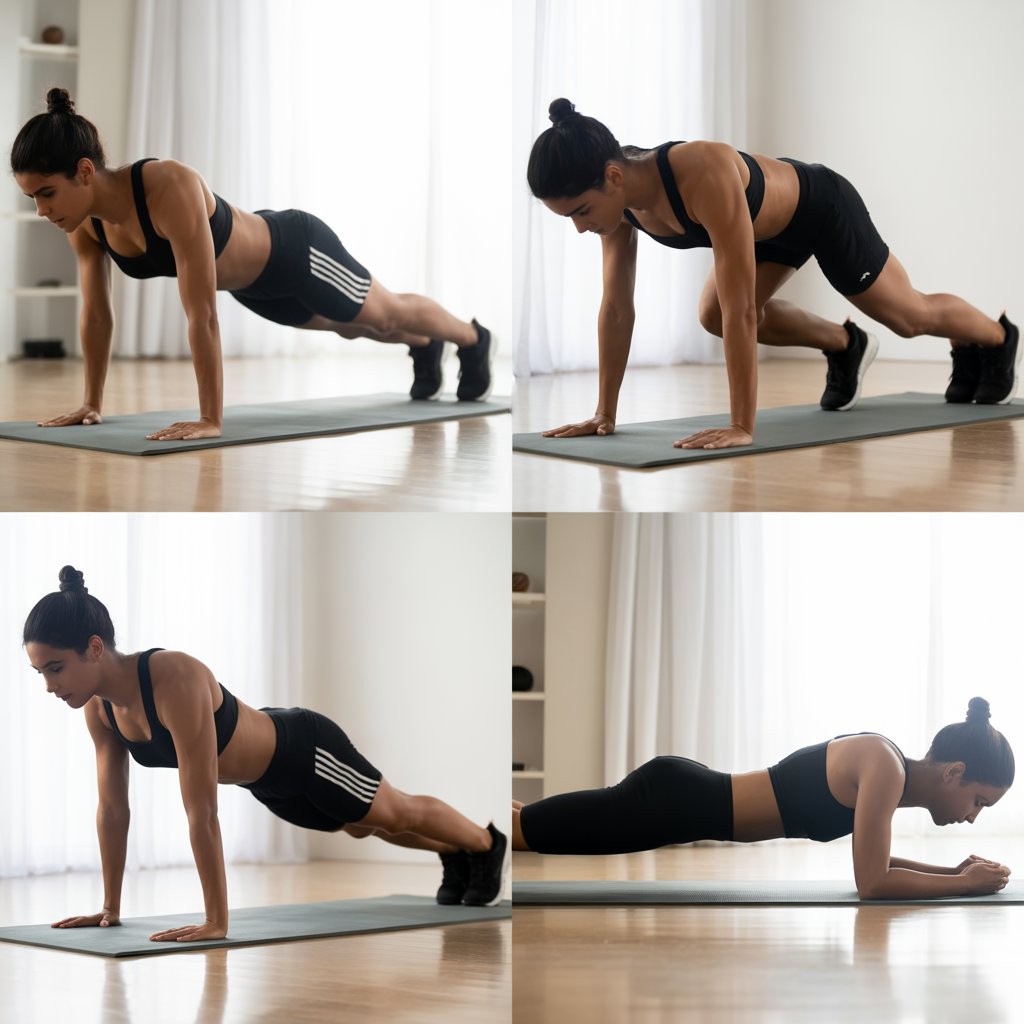
No equipment was required. No gym membership. No warmup longer than 60 seconds. The simplicity was intentional: researchers wanted to test what was genuinely achievable for people with no infrastructure, no trainer, and no experience.
Participants who completed these sessions three to five times per week for eight weeks showed statistically significant improvements in upper and lower body strength, muscular endurance, and resting heart rate compared to sedentary controls.
The Mental Health Connection
The mental health benefits of this research may be even more striking than the physical ones. Studies consistently find that exercise including very brief bouts reduces symptoms of anxiety and depression, often within a single session.

The mechanisms involve multiple biological pathways. Physical activity increases circulating levels of endorphins and endocannabinoids, which produce short-term mood elevation. More importantly for long-term mental health, exercise promotes neuroplasticity the brain’s ability to form new connections through increased production of brain-derived neurotrophic factor (BDNF).
A 2023 meta-analysis in JAMA Psychiatry reviewed 97 studies and concluded that exercise was more effective than counselling or medication as a first-line treatment for mild to moderate depression in many populations. The dose required? Roughly 150 minutes per week an average of just over 20 minutes per day. Five-minute sessions, practiced consistently, begin moving the needle immediately.
Body Composition Didn’t Change
It’s worth being honest about what five minutes a day won’t do, at least in the short term. Most studies examining brief exercise protocols found minimal changes in body weight or fat mass over periods of eight to twelve weeks.
This matters because many people begin exercising primarily to lose weight, and failing to see scale changes can lead to early dropout. Understanding that body composition changes require a combination of sustained physical activity and dietary habits and that strength and mental health gains come first and faster — helps set realistic expectations and sustain motivation.
The absence of a dramatic body composition change is not a failure of the protocol. It is a sign that five minutes is a starting point, not a ceiling.
Who Benefits Most
Short-session training is particularly valuable for three groups: complete beginners, people recovering from injury or illness, and individuals managing high stress or mental health challenges.
For beginners, the low barrier to entry removes the psychological friction that prevents most people from starting. The workout is done before the brain can negotiate its way out of it. For those returning from injury, brief sessions allow gradual reloading of tissues without overexertion. For those dealing with depression, anxiety, or burnout, the achievability of five minutes matters enormously the goal is to create a positive association with movement, not to exhaust an already depleted system.
Building From Five Minutes
Five minutes is a floor, not a destination. The research supporting brief workouts doesn’t suggest that more is not better it suggests that less is still something, and something beats nothing by a significant margin.
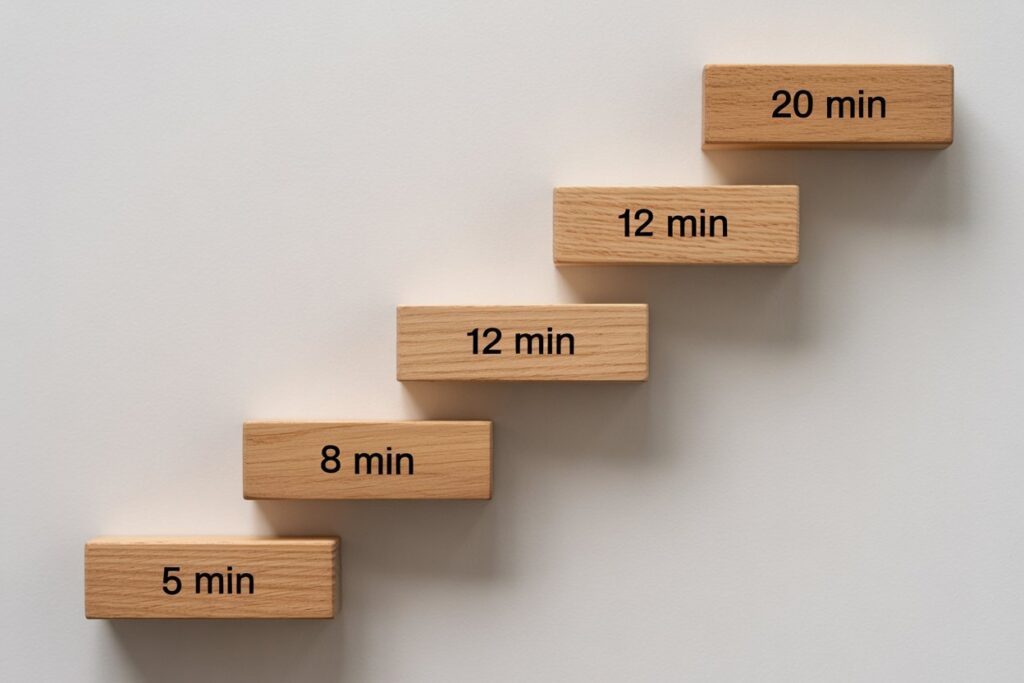
Once five minutes becomes automatic typically within two to four weeks of consistent practice most people find it natural to extend to eight, then ten, then fifteen. The habit forms, the identity shifts, and the barrier to longer sessions dissolves. Exercise scientists call this the gateway effect: low-threshold entry behaviors reliably predict higher-volume activity over time.
Adding one extra exercise or one extra minute per week is a sustainable progression that avoids the burnout and injury associated with aggressive programs.
Sample Five-Minute Routine
Perform each exercise back-to-back. Rest only as needed. Repeat the circuit once or twice depending on time.
Bodyweight squats60 sec
Push-ups (or incline push-ups)45 sec
Reverse lunges (alternating)45 sec
Plank hold30 sec
Glute bridges45 sec
Mountain climbers45 sec
Rest / deep breathing30 sec
Making It Stick
Consistency is the variable that determines outcomes far more than the specifics of any program. A five-minute routine practiced daily for six months produces more cumulative benefit than a perfect 45-minute program abandoned after three weeks.
Behavioral research points to three factors that reliably predict exercise adherence: habit stacking (linking the new behavior to an existing routine), environmental design (keeping workout space clear and equipment visible), and identity-based motivation (thinking of yourself as someone who moves daily, rather than someone trying to get fit).
Reducing friction at every step wearing workout clothes to bed, doing the session before checking your phone, keeping a mat visible in your living space consistently outperforms willpower alone as a long-term adherence strategy.
The Psychology of “Just Five Minutes”
There’s a well-documented cognitive bias at work in short-session exercise: the implementation intention effect. When people commit to a specific, small action at a specific time and place, follow-through rates improve dramatically compared to vague intentions to “exercise more.”

Saying “I will do five minutes of movement after I make my morning coffee” activates an automatic behavioral trigger. The smallness of the commitment bypasses the brain’s resistance to effort and removes the negotiation that typically derails larger commitments.
Psychologists also note the “foot-in-the-door” phenomenon: completing a small task reliably increases willingness to complete a larger one. Once you’ve started moving, the internal resistance to continuing is dramatically lower than the resistance to starting. Most people who begin a five-minute session end up doing more than five minutes.
The Bottom Line
Five minutes of daily exercise is not a compromise. It is a scientifically supported, psychologically intelligent strategy for building strength, improving mental health, and establishing the habits that lead to lasting physical transformation.
The research is unambiguous on this point: moving your body consistently even briefly produces real, measurable benefits. The dose can always increase. The important thing is to begin.
You don’t need more time. You need five minutes and a willingness to use them.

Asad Ullah is the founder and lead researcher at CombatFitnessScore.com, a resource dedicated to helping U.S. Army soldiers, ROTC cadets, and fitness enthusiasts understand and prepare for the Army Fitness Test (AFT).
With a deep interest in military fitness and physical readiness, [Author Name] has spent considerable time studying official U.S. Army regulations, FM 7-22 (Army Physical Readiness Training), and the latest AFT scoring standards published by the Department of the Army.
Every article and calculator on this site is built on official Army data — not guesswork. [Author Name] regularly updates content to reflect the latest policy changes, including the 2025 transition from the ACFT to the AFT.
What this site covers:
AFT & ACFT scoring standards by age, gender, and MOS
Training tips based on Army-approved methods
Score calculators updated with the latest 2026 data
Have a question or found an error? Reach out at [email] — accuracy is our top priority.