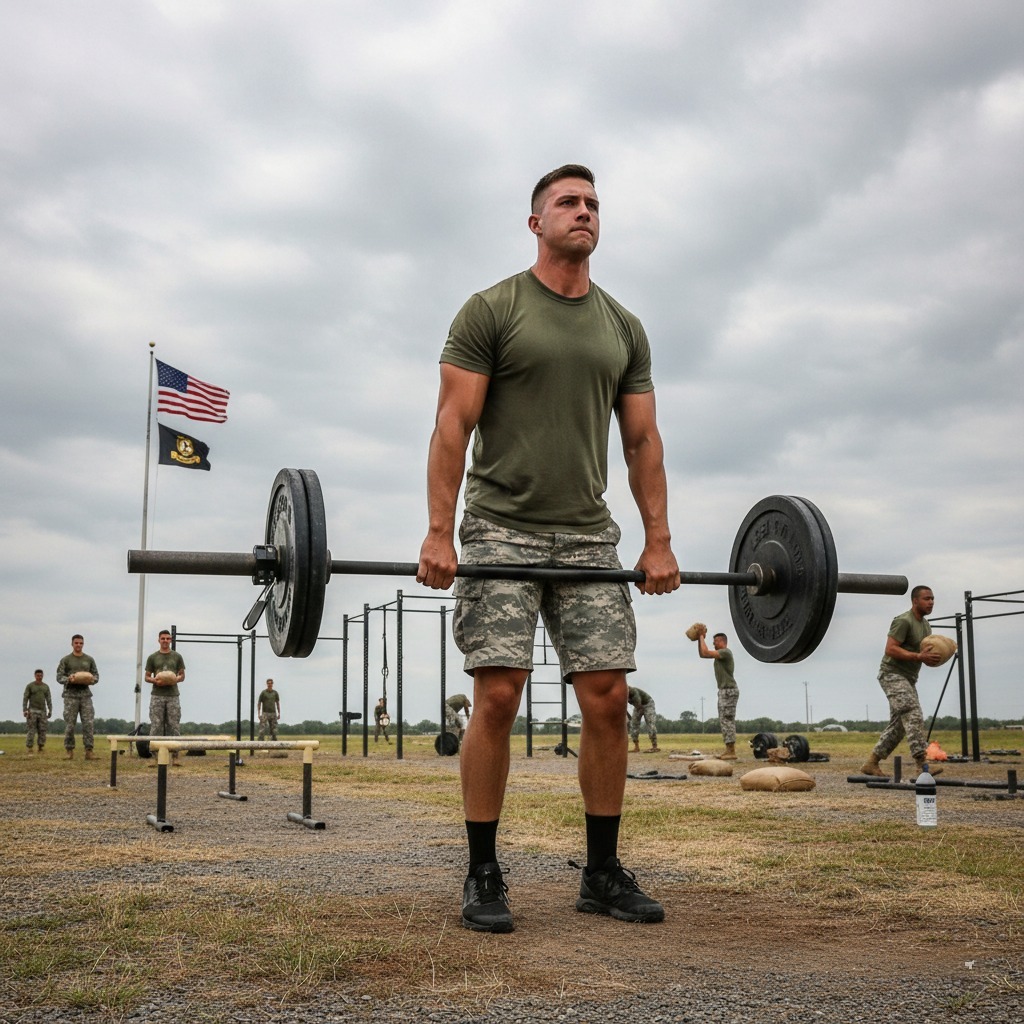
Combat conditioning exercises form the foundation of every elite fighter’s training program. Whether you compete in MMA, boxing, wrestling, or martial arts, your fitness base determines how well your skills translate under pressure. This guide breaks down exactly what these exercises are, why they work, and how to build a routine from scratch even if you’ve never trained for combat sports before.

These workouts aren’t just for fighters. Athletes, military personnel, and anyone who wants a functional, powerful body uses the same principles. You’ll burn fat, build lean muscle, and develop the kind of cardiovascular endurance that carries you through grueling rounds or demanding physical situations. Let’s get into it
What Are Combat Conditioning Exercises?
Combat conditioning refers to training that simultaneously builds strength, endurance, speed, and agility the exact physical qualities a fighter needs in competition. Unlike bodybuilding, which isolates muscles for size, combat conditioning develops how your whole body works together under fatigue.
The term became widely popular through fitness pioneer Matt Furey, whose Combat Conditioning system emphasized bodyweight movements that mimic real athletic demands. Today, coaches use a broader toolkit from kettlebell swings to plyometric exercises but the core idea stays the same: train movements, not just muscles.
KEY CONCEPT
Conditioning exercises target your aerobic and anaerobic energy systems at the same time. That means your heart rate stays elevated while your muscles work at near-maximum output exactly what happens in a real match.
A well-designed program includes body conditioning exercises from four categories: strength movements, aerobic conditioning exercises, explosive drills, and flexibility work. Each category fills a specific gap in your athletic profile.
- Strength movements: farmers carry, overhead press, zercher squat, and renegade rows build functional force output.
- Aerobic conditioning exercises: interval training, shuttle runs, and steady-state cardio develop your engine for longer efforts.
- Explosive drills: box jumps, jump squats, tuck jumps, and plyometric exercises train fast-twitch fiber recruitment.
Flexibility and mobility work: dynamic stretching, yoga flows, and V-ups keep joints healthy and range of motion wide
Why Is Conditioning Important for Fighters?

Technique breaks down when your body quits. A fighter with poor conditioning makes technical mistakes in the third round that they’d never make fresh. That’s why strength and conditioning exercises matter just as much as sparring or drilling.
Conditioning directly affects decision-making speed, punch output, takedown defense, and recovery between exchanges. Research consistently shows that aerobic capacity predicts combat sports performance better than any single strength metric. The more oxygen your body delivers efficiently, the longer you stay sharp.
“The fight is won or lost far away from witnesses behind the lines, in the gym, and out there on the road.”
Beyond the ring, strong conditioning exercises for beginners also reduce injury risk. Muscles and connective tissue that handle varied, demanding loads build resilience against acute sprains and chronic overuse problems. You train harder and recover faster when your base is solid.
- Cardiovascular endurance: HIIT training and tabata protocols improve VO2 max, letting you sustain high-intensity output longer.
- Muscular endurance: muscular endurance exercises like air squats, burpees, and glute bridges train your muscles to repeat efforts without stalling.
- Injury resilience: isometric exercises and knee conditioning exercises reinforce joints that take constant impact in sparring.
- Mental toughness: pushing through hard conditioning sets builds the psychological grit fights demand in tight moments.
The Best Combat Conditioning Exercises List
This section covers the most effective movements across all training categories. Use this as your combat conditioning exercises list to build a weekly program. Each exercise serves a specific athletic purpose nothing here is filler.
Burpees are the single most transferable combat conditioning drill available. One full burpee trains your push strength, hip extension, explosive jump, and aerobic system simultaneously. Start with sets of 10 and build to 20-second HIIT intervals.
Kettlebell swings develop the posterior chain glutes, hamstrings, and lower back that powers throws, takedowns, and explosive striking. The hip-hinge pattern in a kettlebell swing directly mirrors the mechanics of a powerful punch or kick.
- Box jumps: land softly, reset fully, and drive through your hips. Box jumps train reactive strength and landing mechanics.
- Walking lunges: develop single-leg stability and quad endurance that grappling and footwork demand.
- Medicine ball slams: upper body power endurance using a medicine ball builds explosive core-to-shoulder force transfer.
- Nordic curls: eccentric hamstring strength protects against the most common lower-body combat sport injury.
- Tuck jumps: rapid hip flexion and landing control build athletic spring and explosive conditioning capacity.
- Renegade rows: anti-rotation core strength and pulling power in a single movement. Use moderate weight and strict tempo.
Warm up exercises matter before every session. Dynamic stretching leg swings, hip circles, inchworms, and arm rotations prepares joints for the demands ahead and cuts your injury risk significantly. Never skip this step.
Conditioning Exercises for Beginners: Start Here
New to combat sports training? Start with bodyweight-only movements and build a base before adding load or intensity. Conditioning exercises for beginners focus on movement quality, not volume. Master the pattern before you push the pace.
A beginner-friendly session runs 20 to 30 minutes and uses three to four exercises in a simple circuit format. Work for 30 seconds, rest for 30 seconds, and complete three rounds. This structure introduces your body to the conditioning demands without burning you out.
BEGINNER WEEK 1 CIRCUIT
Air squats → Glute bridges → Burpees (modified, step-back version) → Dynamic stretching cool-down. Three rounds, 30 seconds on / 30 seconds off. Rest two minutes between rounds.
As your fitness grows, add upper body conditioning exercises like push-up variations, overhead press with light dumbbells, and eventually weighted farmers carry. Progress happens in small steps add one set or five seconds of work per week rather than doubling volume overnight.
- Air squats: the foundational lower body movement. Focus on knees tracking toes and hips dropping below parallel.
- Glute bridges: activate posterior chain muscles that beginners often can’t access without deliberate practice.
- Modified burpees: step one foot back at a time instead of jumping. Same benefits, lower injury exposure.
- Agility exercises: ladder drills and cone shuffle patterns develop foot speed and direction change without high load.
Explosive & HIIT Methods That Accelerate Results
Once you’ve built a base, high-intensity interval training (HIIT) and plyometrics accelerate every physical quality simultaneously. Explosive conditioning exercises recruit fast-twitch muscle fibers that steady-state cardio never touches, and they spike your metabolic rate for hours after training ends.
Tabata protocol 20 seconds of maximum effort followed by 10 seconds of rest, repeated eight times produces remarkable aerobic and anaerobic adaptations in just four minutes per exercise. Apply it to jump squats, kettlebell swings, or burpees for fast results.
Interval training on a shuttle run course builds sport-specific acceleration and deceleration. Mark two cones 10 meters apart and sprint between them for 20-second intervals with 40-second rest periods. This drill trains the exact energy system fighters use in explosive exchanges.
- Tabata burpees: eight rounds of 20 on / 10 off. One of the hardest and most effective four-minute protocols available.
- Jump squat to overhead press: combine lower body explosive conditioning with upper body strength in a flow movement.
- Tuck jump into sprawl: mimic the explosive hip-drop of a sprawl defense immediately after a jump. Sport-specific and demanding.
- Medicine ball rotational throw: rotational power transfers directly to striking and throwing mechanics.
FLEXIBILITY REMINDER
Why is flexibility important in combat sports? Tight hips and shoulders limit kicking range, shooting depth, and guard retention. Add 10 minutes of yoga-inspired flexibility exercises after every session to counteract the tightening effect of strength work.
Building Your Weekly Training Plan
Structure beats inspiration every time. A consistent weekly schedule built around strength and conditioning exercises produces far better results than random hard sessions whenever motivation hits. Plan four to five training days with clear goals per session.
Follow a push-pull-legs framework for strength days and save HIIT and aerobic conditioning exercises for separate sessions. This prevents overlapping fatigue from killing performance on your skill training days. Olympic weightlifting movements like the power clean also fit well on strength days for athletes seeking explosive conditioning exercises with a barbell.
Recovery matters as much as training. NASM-certified coaches consistently recommend 48 hours between intense sessions targeting the same muscle groups. Isometric exercises and light yoga work well on active recovery days without adding significant fatigue.
- Monday: strength: kettlebell swings, farmers carry, zercher squat, renegade rows, overhead press.
- Tuesday: skill training + agility exercises and dynamic exercises for warm-up.
- Wednesday: HIIT: tabata burpees, jump squats, tuck jumps, medicine ball slams.
- Thursday: active recovery: dynamic stretching, yoga, light leg exercises and core exercises.
- Friday: aerobic conditioning: shuttle run intervals, endurance exercises at 70% heart rate for 30 minutes.
Your Next Training Session Starts Now
Combat conditioning exercises build the complete athletic profile that combat sports demand strength, power, endurance, and flexibility working together under pressure. You don’t need a specialized facility or expensive equipment to get started. You need consistency, progressive overload, and a clear plan.
Take these three actions today:
- Pick a beginner circuit from this guide air squats, glute bridges, and modified burpees and complete one round right now. Momentum starts with action, not planning.
- Schedule four training sessions this week using the weekly plan above. Block time in your calendar before the week starts or it won’t happen.
- Add dynamic stretching and flexibility exercises to the end of every session. Flexibility limits how far your skills develop protect your range of motion from day one.
Whether your goal is competition performance or building a durable, powerful body, the foundation is the same. Train the movements. Push the conditioning. Stay consistent
This article is for informational purposes. Consult a qualified strength and conditioning coach before beginning any new training program

Asad Ullah is the founder and lead researcher at CombatFitnessScore.com, a resource dedicated to helping U.S. Army soldiers, ROTC cadets, and fitness enthusiasts understand and prepare for the Army Fitness Test (AFT).
With a deep interest in military fitness and physical readiness, [Author Name] has spent considerable time studying official U.S. Army regulations, FM 7-22 (Army Physical Readiness Training), and the latest AFT scoring standards published by the Department of the Army.
Every article and calculator on this site is built on official Army data — not guesswork. [Author Name] regularly updates content to reflect the latest policy changes, including the 2025 transition from the ACFT to the AFT.
What this site covers:
AFT & ACFT scoring standards by age, gender, and MOS
Training tips based on Army-approved methods
Score calculators updated with the latest 2026 data
Have a question or found an error? Reach out at [email] — accuracy is our top priority.