You’ve put in the work. You’ve run the miles, crushed the circuits, and built real strength. But here’s the thing if you walk into your AFT without fueling your body the right way, all that hard work can fall apart in the first five minutes.
Nutrition isn’t some magic trick. But it’s the one thing you can totally control on test day, and most candidates get it wrong. The right foods at the right time will sharpen your focus, keep your energy steady through every event, and help you bounce back between efforts. The wrong choices? They’ll leave you bloated, sluggish, or crashing right when you need your best.
This guide gives you everything you need what to eat the night before, the morning of, and right before your AFT. We’ll cover what to avoid, how to stay properly hydrated, and a complete sample meal plan you can start following today. Let’s dig in.
What Is the AFT and Why Nutrition Matters
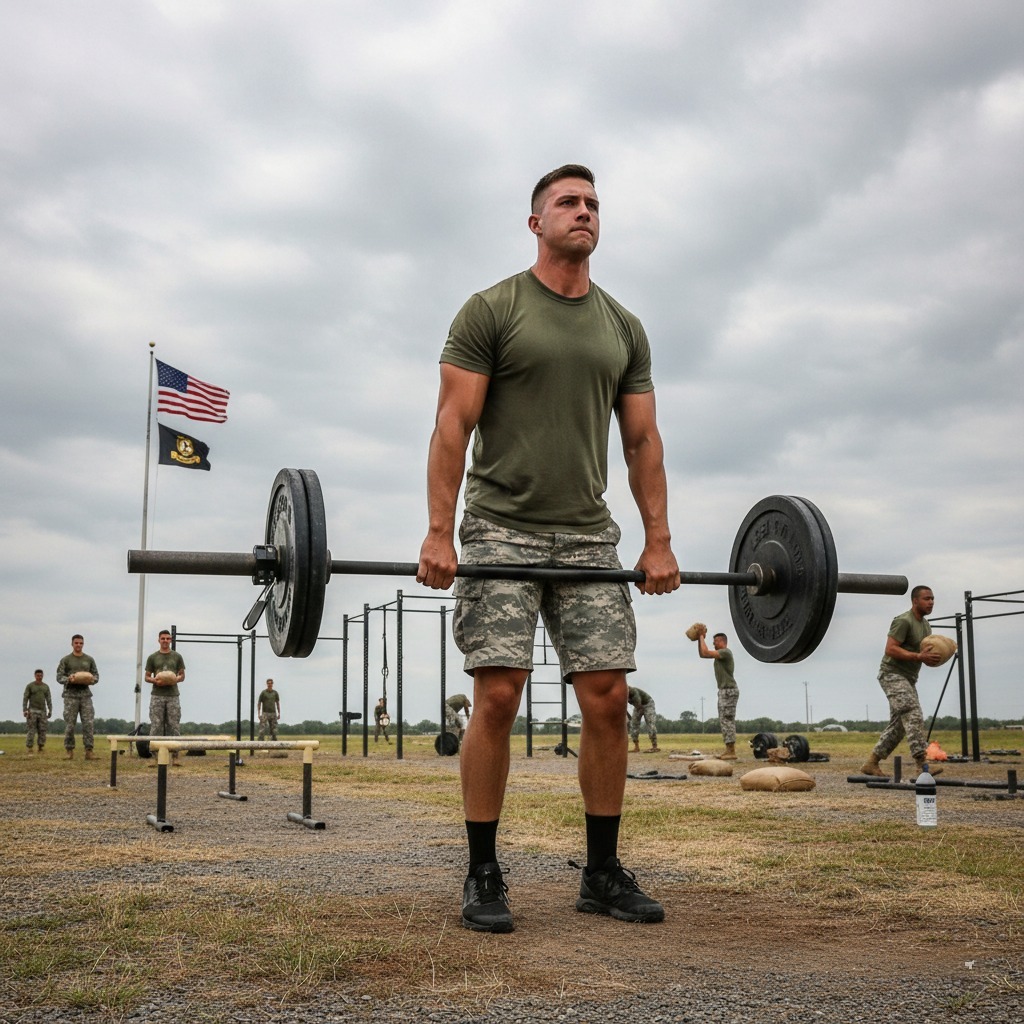
The Army Fitness Test (AFT) is a multi-event physical assessment that measures your strength, muscular endurance, and aerobic capacity. Depending on which version you’re taking, events typically include the 3 Repetition Maximum Deadlift, Hand-Release Push-Up, Sprint-Drag-Carry, Leg Tuck or Plank, and the Two-Mile Run.
Each event hits a different energy system. The deadlift and sprint-drag-carry are primarily anaerobic you’re making short, explosive efforts that burn through stored phosphocreatine and glycolytic energy fast. The two-mile run demands sustained aerobic endurance over 10 to 20-plus minutes. Put it all together, and your body needs to operate across the full energy spectrum.
That’s exactly why what you eat matters so much. Your muscles run on glycogen stored carbohydrate. When those stores run low, your performance drops across every single event. Your brain runs on glucose too, and sharp mental clarity directly affects your pacing decisions, your form, and your motivation to push through. Even mild dehydration just 2% of your body weight in fluid loss measurably hurts both your strength and your endurance.
Heavy meals that sit in your gut, sugary foods that spike then crash your blood sugar, or skipping food together any of these choices will cut into your output when it matters most. You’ve trained too hard to let that happen.
What to Eat Before AFT (Quick Overview)
Good news the foundation of pre-AFT nutrition is actually pretty simple. Here’s what you need to know at a high level:
Carbohydrates are your main fuel. They top off your glycogen stores and give you fast, accessible energy for every event. Go for easily digestible sources like oats, white rice, bread, pasta, and fruit. Don’t overthink it.
Protein supports your muscles. It helps prevent muscle breakdown during longer efforts. Include a moderate portion in your meals, but don’t pile it on high protein loads take longer to digest and can slow you down.
Fluids and electrolytes keep you firing. Water is your foundation. Sodium and potassium (from food or a sports drink) help maintain balance while you sweat.
Here’s what you want to skip:
- Greasy, fried, or high-fat foods that slow digestion way down
- High-fiber vegetables and legumes that cause bloating or gas
- Foods you’ve never eaten before a workout test day is not the time to experiment
- Excessive sugar that spikes your blood glucose and causes a crash
Best Foods to Eat the Night Before AFT
The night before your AFT is actually your most important nutrition window. Your goal is to fully stock your muscle glycogen stores so you wake up the next morning completely fueled and ready.
Build your dinner like this:
- 50–60% carbohydrates (pasta, white rice, potatoes, bread)
- 25–30% lean protein (chicken, fish, eggs, lean beef)
- Moderate cooked vegetables cooked beats raw here because it’s easier on your gut
- Keep fat low skip heavy sauces, fried foods, and cheese-heavy dishes
Three easy dinner ideas:
Option A: Grilled chicken breast, white rice, steamed green beans with a drizzle of olive oil, and a dinner roll
Option B: Spaghetti with lean ground beef marinara sauce, plus a side salad with light dressing
Option C: Baked salmon, mashed potatoes, roasted carrots
Try to eat dinner 2–3 hours before you go to bed. Don’t go to bed stuffed it messes with your sleep, and good sleep is just as important as good food for peak performance.
Why does overnight glycogen loading matter? Your muscles and liver store glycogen throughout the night. A carbohydrate-rich dinner makes sure those stores are topped off when your alarm goes off. Skip the carbs at dinner and you’ll start test day running on a half-empty tank even if you eat a solid breakfast.
Skip these at dinner:
- Heavy cream sauces and anything fried
- Large amounts of raw veggies like broccoli, cabbage, or beans they cause gas and digest slowly
- Alcohol it blocks glycogen synthesis and wrecks your sleep quality
- Anything new or from a restaurant you’ve never tried before a tough workout
What to Eat 3–4 Hours Before AFT
Got an afternoon test? Perfect you have time for a real pre-test meal. This is your last big opportunity to top off your energy stores and keep your blood sugar steady.
What your meal should look like:
- Moderate carbohydrates around 1 to 1.5 grams per kilogram of your body weight
- Light to moderate protein about 20 to 30 grams
- Low fat and low fiber keep digestion simple and comfortable
- 500 to 600ml of water alongside your meal
One simple rule for digestion: The more time you have before the test, the bigger your meal can be. At 3–4 hours out, eat a full plate. At 2 hours, shrink the portion by about a third. At 90 minutes, shift to a snack only.
Easy meal ideas:
Option A: Two scrambled eggs, two slices of whole wheat toast, a banana, and a big glass of water
Option B: Oatmeal with honey, a small cup of Greek yogurt, and an orange
Option C: White rice with grilled chicken and a small side of cooked veggies
Option D (budget-friendly): Peanut butter toast with a banana and a glass of milk
One thing to resist: the urge to pile your plate high thinking more food equals more energy. It doesn’t work that way. A huge meal sitting in your stomach causes real discomfort and actually pulls blood flow away from your muscles toward digestion. Eat enough not everything.
What to Eat 60–90 Minutes Before AFT
At this point, you want something small and fast-digesting carbohydrates that your body can absorb quickly without any GI drama. Keep it simple and familiar.
Your snack strategy: Think top-up, not meal. You’re looking at roughly 150 to 250 calories, mostly carbohydrates.
Fast-digesting carb options that work great:
- A banana
- White bread or a plain bagel
- A sports drink or diluted juice
- Energy chews or gels (only if you’ve used them before)
- A small handful of crackers or pretzels
Do you need protein right now? At 60–90 minutes out, protein won’t be absorbed in time to help your performance. A small amount (10–15 grams) is totally fine if it’s part of your normal routine, but skip forcing it in if it’s not.
Quick snack combos that work:
- Banana + 250ml water
- Toast with a thin layer of peanut butter
- Small bowl of cereal with low-fat milk
- Half a sports energy bar you’ve already tested in training
Avoid anything new, greasy, or high in fiber at this stage. Your gut needs to stay calm.
Hydration Strategy Before AFT
Dehydration is one of the most common and most avoidable performance killers on test day. Here’s the frustrating part: by the time you feel thirsty, you’re already behind.
Your water intake timeline:
- 24 hours before: Drink 3–4 liters spread throughout the day. Check your urine — it should look pale yellow, like lemonade. Not clear, not dark.
- 2–3 hours before the test: Drink 500–600ml (about 2 cups)
- 30 minutes before: Drink 200–300ml (one small bottle or cup)
- During warm-up: Sip as needed — don’t chug
Should you use electrolytes? For most candidates, plain water is all you need the night before and morning of your test. If it’s hot and humid or you tend to sweat heavily, grab a sports drink (Gatorade, Powerade) or just eat a banana and add a pinch of salt to your morning meal. You don’t need expensive electrolyte supplements to nail this.
Watch for these signs you’re underhydrated:
- Dark yellow or amber urine in the morning
- A headache when you wake up
- Dry mouth or dry lips
- Feeling tired before the test even starts
- Muscle cramps during warm-up
Hydration mistakes people make all the time:
- Chugging a ton of water right before the test this causes sloshing, cramping, and nausea
- Drinking only coffee in the morning and calling it good
- Ignoring hydration until the actual day of the test
- Drinking only plain water all day and flushing out your electrolytes
What Not to Eat Before AFT
Knowing what to skip is just as important as knowing what to eat. Here’s your avoid list:
Foods that cause cramps, bloating, or crashes:
- High-fiber vegetables: Broccoli, cauliflower, onions, cabbage, beans, and lentils all ferment in your gut, producing gas that can be extremely uncomfortable during sprint events.
- Spicy foods: These increase your risk of acid reflux and GI distress during high-intensity effort.
- Too much dairy: Large amounts of milk or cheese can cause bloating, especially if you’re even mildly lactose sensitive.
Sugar-loaded foods:
- Candy, pastries, donuts, and sugary cereals spike your blood sugar fast and then drop it hard often 30 to 60 minutes later, which could land right in the middle of your test.
- Large amounts of fruit juice carry the same risk.
High-fat and high-fiber foods:
- Bacon, sausage, fried eggs, hash browns, and fast food breakfast sandwiches sit in your stomach for 4 to 6 hours and pull blood flow away from your working muscles.
A word on energy drinks and supplements: Pre-workout supplements and energy drinks loaded with high caffeine, beta-alanine, or mystery blends can cause heart palpitations, skin tingling, nausea, and anxiety especially when your body is already under physical stress. If you’ve never used them before, don’t start on test day. Even if you do use pre-workout regularly, test it on a hard training day first and pay close attention to timing.
Pre-AFT Nutrition Based on Test Time
Early Morning AFT (6:00–8:00 AM)
You’re working with a tight timeline, which means your dinner the night before becomes even more critical.
- Wake up 90 to 120 minutes before start time if you possibly can
- Eat a light, easy breakfast: a banana, toast, or a small bowl of oatmeal with water
- If you have less than 60 minutes before the test, stick to a banana and water only
- Whatever you do don’t skip eating. Even a small snack beats showing up fasted.
Afternoon AFT (12:00–3:00 PM)
You’ve got real flexibility here and plenty of time to fuel up properly.
- Eat a normal, balanced breakfast
- Sit down for a solid pre-test meal 3 to 4 hours before go-time (use the meal guidelines from earlier)
- Have a light snack 60 to 90 minutes out if you need it
- Keep sipping water throughout the morning
If Your Schedule Changes Last Minute
Test time shift unexpectedly? Don’t panic and start stuffing your face trying to make up for it.
- Adjust your meal timing by no more than 1 hour at a time
- When in doubt, go smaller meals plus solid hydration
- A banana and water 30 minutes before is always a safe fallback it’s simple, it works
Nutrition Tips for Each AFT Event
Strength-Based Events (3RM Deadlift)
Your strength output depends heavily on stored phosphocreatine and how sharp your nervous system is firing. Carbohydrates don’t directly fuel this system, but they maintain your overall energy level and prevent early fatigue. Adequate protein and creatine (if you already supplement it) both support muscle contractility.
The takeaway: Don’t show up underfed. Even a small drop in blood sugar can knock your coordination and confidence right when you’re setting up for a max effort lift.
Endurance-Focused Events (2-Mile Run, Sprint-Drag-Carry)
These events depend most directly on your glycogen stores. The two-mile run especially burns through carbohydrate fast at moderate-to-high intensity. When glycogen runs out, your pace drops and fatigue hits early.
The takeaway: Carbohydrate loading the night before and a carb-rich morning meal matter most for these events. Prioritize this.
One Nutrition Plan Covers Everything
Here’s the good news — you don’t need separate nutrition plans for different AFT events. A solid pre-AFT approach (carbohydrate-based, moderate protein, low fat, well-hydrated) gives your body the fuel it needs for both anaerobic strength and aerobic endurance. Keep it consistent.
Supplements Before AFT (Do You Really Need Them?)
Short answer for most candidates: no, you don’t need supplements to perform well on the AFT. But here’s the honest breakdown:
Protein Powders
Protein shakes help you hit your daily protein targets they’re not a performance booster you take before a test. Drinking a shake before your AFT won’t increase your output. If you already use protein powder regularly, include it in your pre-test meal if you want. But always prioritize real food first.
Creatine
Creatine monohydrate is one of the most well-researched supplements out there, and it’s both safe and effective for strength and sprint performance. If you’ve been supplementing consistently 3 to 5 grams per day for at least 4 weeks it will genuinely benefit your AFT performance. But don’t start loading creatine the week of your test. It needs time to work.
Caffeine
Caffeine is a proven performance enhancer. It improves endurance, sharpens focus, and raises your pain tolerance. A moderate dose of 100 to 200mg roughly 1 to 2 cups of coffee taken 45 to 60 minutes before the test can give you a real edge. That said:
- Only use caffeine if you already drink it regularly your body needs to be used to it
- Skip the high-dose pre-workout drinks
- Keep in mind that stress already raises your heart rate; caffeine stacks on top of that
Bottom line on supplements: Nothing replaces solid sleep, smart training, and consistent nutrition. Don’t add anything new to your routine in the final week before your test that you haven’t already tested thoroughly in training.
Sample Pre-AFT Meal Plan (Simple and Practical)
Night Before AFT
Dinner (2–3 hours before bed):
- 1.5 cups white rice or pasta
- 4–5 oz grilled chicken breast or lean ground beef
- 1 cup steamed or roasted vegetables (carrots, green beans, zucchini)
- 1 dinner roll or slice of bread
- 500ml water with your meal
Before bed (optional, only if you’re genuinely hungry):
- Small bowl of cereal or a banana
Morning of the Test
If your test is in 3–4 hours:
- 1 cup oatmeal with honey or a sliced banana
- 2 scrambled eggs
- 1–2 slices of whole wheat toast
- 500ml water
- 1 cup of coffee (only if you drink it regularly)
If your test is in 1–2 hours:
- 1 banana + 1 slice of toast with peanut butter
- 300ml water
If your test is in under 60 minutes:
- 1 banana
- 200–300ml water or sports drink
Pre-Test Snack (60–90 Minutes Before)
Pick one:
- 1 banana, OR
- Energy chew or gel you’ve used before + water, OR
- 1 slice plain white toast + water
Hydration Timeline
| Time Before Test | What to Drink |
|---|---|
| Night before | 1–2 liters spread throughout the evening |
| Wake up | 500ml water immediately |
| 2–3 hours before | 500ml water with your meal |
| 60 minutes before | 300ml water or diluted sports drink |
| 15–30 minutes before | 200ml water — small sips only |
| During warm-up | Sip as needed |
Common Pre-AFT Nutrition Mistakes
Skipping Meals
This is the number one mistake, especially when nerves kick in or time gets tight. Even a banana 30 minutes before the test beats showing up on an empty stomach. Low glycogen and low blood sugar will hurt your performance across every single event.
Trying New Foods
Test day is absolutely not the day to try that new protein bar, a different breakfast spot, or a meal you’ve never eaten before a workout. Unfamiliar foods carry GI risks you can’t predict. Stick to what you know works what you’ve eaten successfully before your hardest training sessions.
Overeating
More food doesn’t equal more energy on demand. It just doesn’t work that way. Excess food that hasn’t been digested sits in your gut, causes real discomfort, and actually pulls circulation toward your stomach and away from your working muscles. Eat enough not everything in sight.
Copying What Your Buddy Eats
What works great for the person next to you might wreck you. Digestive tolerance, body size, training background, and timing all vary from person to person. Build your own pre-test routine during training don’t copy someone else’s habits on the biggest day.
Conclusion
You don’t need a complicated nutrition strategy to perform your best on AFT day. You need consistency, smart timing, and a few solid choices.
Load up on carbohydrates the night before to fill your glycogen stores. Eat a balanced breakfast 3 to 4 hours before your test when time allows. Grab a light, fast-digesting snack in the final 60 to 90 minutes. Sip water consistently from the day before all the way through warm-up. And steer clear of anything heavy, greasy, unfamiliar, or experimental on test day.
Think of nutrition as a performance tool not another thing to stress about. The candidates who crush their AFT aren’t following perfect diets. They’re following consistent diets they’ve practiced and dialed in during training. Start eating like it’s test day on your hardest training days. By the time the real AFT arrives, fueling right will feel like second nature.
You’ve done the work. Now fuel it right and go show what you’re made of.

Asad Ullah is the founder and lead researcher at CombatFitnessScore.com, a resource dedicated to helping U.S. Army soldiers, ROTC cadets, and fitness enthusiasts understand and prepare for the Army Fitness Test (AFT).
With a deep interest in military fitness and physical readiness, [Author Name] has spent considerable time studying official U.S. Army regulations, FM 7-22 (Army Physical Readiness Training), and the latest AFT scoring standards published by the Department of the Army.
Every article and calculator on this site is built on official Army data — not guesswork. [Author Name] regularly updates content to reflect the latest policy changes, including the 2025 transition from the ACFT to the AFT.
What this site covers:
AFT & ACFT scoring standards by age, gender, and MOS
Training tips based on Army-approved methods
Score calculators updated with the latest 2026 data
Have a question or found an error? Reach out at [email] — accuracy is our top priority.