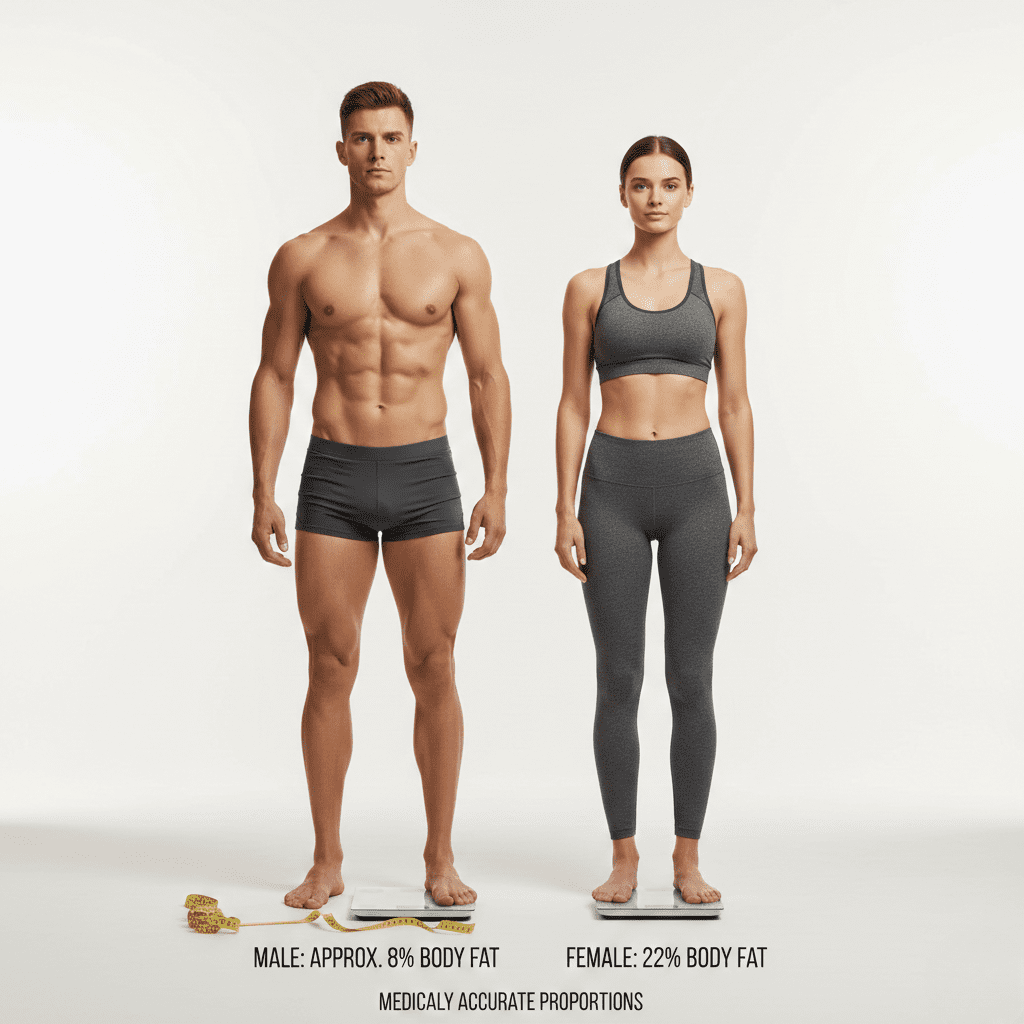
You have probably heard it before: your metabolism slows after 40, muscle disappears no matter what you do, and getting fit feels like fighting biology. The frustrating part? Some of that is true. What nobody tells you is that strength training completely rewrites that story.
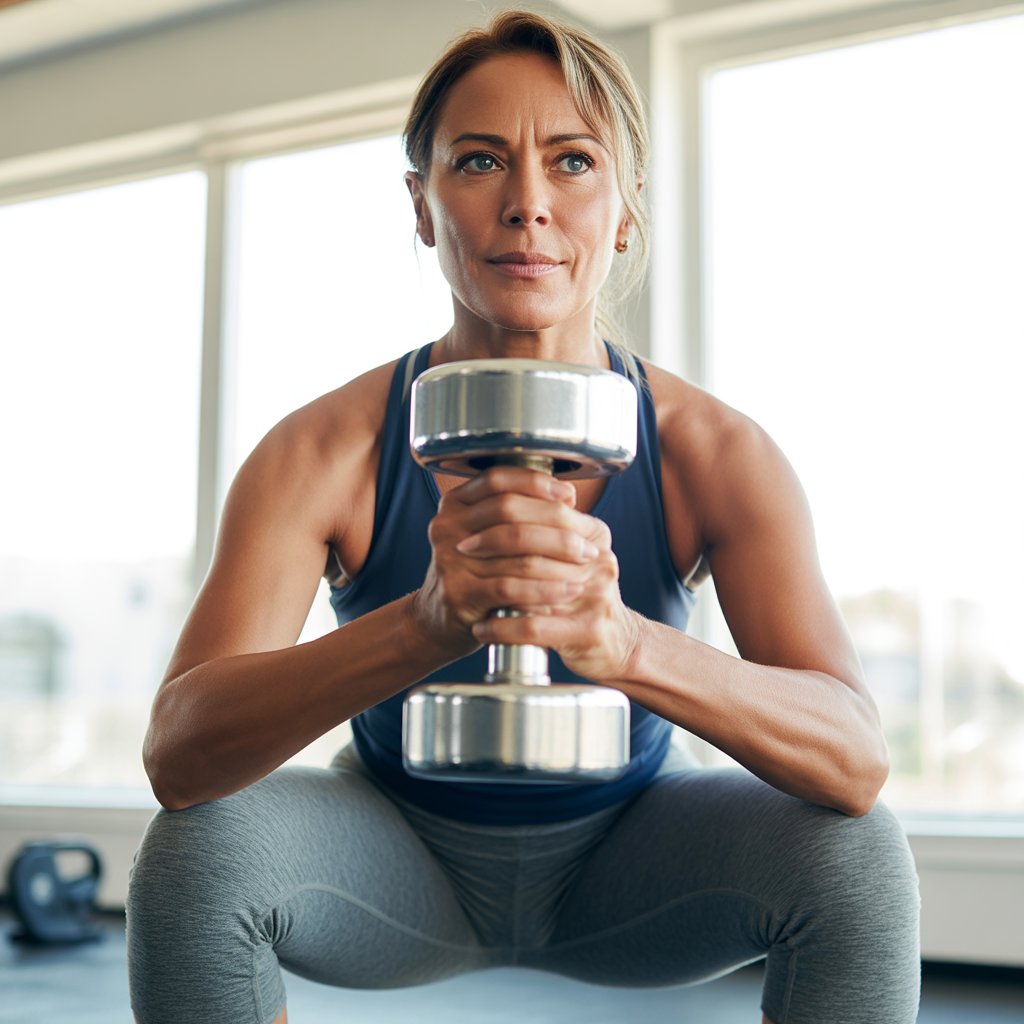
Research is unambiguous. Women who lift weights gain lean muscle, protect their bones, balance their hormones, boost their energy, and dramatically improve their quality of life at any age. This guide walks you through exactly how to start, what to eat, and how to build a routine that lasts even if you have never touched a weight in your life.
Why Strength Training Is Non-Negotiable After 40
From your late 30s onward, women lose an average of 3-8% of muscle mass per decade, a process called sarcopenia. Declining oestrogen during perimenopause accelerates this, leading to increased body fat, weaker bones, a slower metabolism, and a higher risk of injury.
Strength training directly reverses this decline. Here is what the research consistently shows:
- Rebuilds and preserves lean muscle mass lost through ageing
- Increases bone mineral density, reducing osteoporosis risk by up to 30%
- Elevates resting metabolic rate so your body burns more calories at rest
- Improves insulin sensitivity and reduces type 2 diabetes risk
- Reduces menopausal symptoms including hot flashes, anxiety, and fatigue
- Boosts mood, self-confidence, and long-term cognitive health
| Key Stat: Women who resistance train 2-3x per week show significantly higherbone mineral density and lower fracture rates than sedentary peers.Source: Journal of Bone and Mineral Research |
Can You Really Build Muscle After 40? Yes, Here Is the Science
The most common fear is: “I have left it too late.” You have not. Multiple peer-reviewed studies confirm that women in their 40s, 50s, and even 70s build meaningful muscle mass through consistent resistance training.
Recovery takes longer and the hormonal environment is less forgiving than at 25. But muscle growth is absolutely achievable. And the health returns per pound of muscle gained are actually greater as you age.
The process is the same at any age: create a mechanical stimulus by lifting weights, fuel with adequate protein, and recover properly between sessions. What changes after 40 is how thoughtfully you manage those three variables.
How to Get Started: Your First 8 Weeks
Week 1-2: Master the Foundational Movements
Before adding load, master the movement patterns. These six exercises form the foundation of every effective strength programme:
- Squat: start bodyweight, progress to goblet squat holding a dumbbell
- Hip hinge: Romanian deadlift with light dumbbells or a resistance band
- Push: wall push-up progressing to dumbbell chest press
- Pull: resistance band row progressing to single-arm dumbbell row
- Carry: farmer’s carry with light dumbbells
- Core brace: dead bug and bird-dog no crunches required
Week 3-8: Build Your Weekly Structure
Train 2-3 days per week with at least one full rest day between sessions. Each session takes 40-50 minutes:
- Warm-up: 5-8 minutes of light cardio and mobility work
- Main work: 3-4 compound exercises, 3 sets of 10-12 reps each
- Accessory work: 1-2 isolation exercises, 2-3 sets of 12-15 reps
- Cool-down: 5-10 minutes of static stretching
| Progressive Overload: Add weight or reps every 1-2 weeks once a setfeels manageable. This single principle drives all your long-term strength gains. |
Best Exercises for Women Over 40
These movements deliver the highest return on training time and are joint-friendly for beginners:
Lower Body
- Goblet squat: builds quad and glute strength with natural spine alignment
- Romanian deadlift: targets hamstrings and glutes while training the hip hinge pattern
- Glute bridge and hip thrust: directly loads the glutes with minimal spinal compression
- Step-up: develops single-leg strength and balance simultaneously
Upper Body
- Dumbbell chest press: foundational push movement for chest and triceps
- Single-arm dumbbell row: builds back strength and corrects postural imbalances
- Overhead press: strengthens shoulders, upper back, and core stability
- Bicep curl and tricep extension: arm strength and long-term elbow joint health
Core and Stability
- Dead bug: activates deep core without neck or lower-back strain
- Bird-dog: builds coordination and spinal stability in one movement
- Pallof press: trains rotational resistance, protecting the lumbar spine
Nutrition: What to Eat to Support Muscle Growth After 40
Protein Is Your Top Priority
Protein provides the raw material for muscle repair and growth. After 40, your body becomes less efficient at processing it a phenomenon researchers call anabolic resistance. The solution is straightforward: eat more protein, distributed more evenly across the day.
Target 1.6-2.2g of protein per kilogram of bodyweight daily. For a 70kg woman, that is 112-154g. Spreading this across 3-4 meals improves absorption compared to consuming it all at once.
- Lean meats: chicken breast, turkey, white fish, salmon
- Dairy and eggs: Greek yoghurt, cottage cheese, whole eggs
- Plant-based: lentils, chickpeas, tofu, tempeh, edamame
- Supplements: whey or plant-based protein powder when whole food falls short
Do Not Fear Carbohydrates
Carbohydrates fuel your workouts, support thyroid function, and help regulate cortisol the stress hormone that actively works against fat loss and muscle gain. Prioritise oats, brown rice, sweet potato, fruit, and legumes. A small carb-and-protein snack 60-90 minutes before training measurably improves performance.
Creatine: The Most Underrated Supplement for Women Over 40
Creatine monohydrate is the most extensively researched sports supplement in history, and it is dramatically underused by women. For women over 40, it delivers three compelling benefits: increased strength output, faster recovery between sessions, and emerging evidence that it may support cognitive function during hormonal transitions.
Dose: 3-5g per day. No loading phase required. Safe for long-term daily use. Look for CreaPure-certified creatine monohydrate for purity.
Recovery: The Element Most Women Underestimate
After 40, recovery is where results are created. Muscle does not grow during the workout — it grows during rest. Shortchanging sleep and recovery is the single fastest way to plateau, feel chronically fatigued, or sustain an injury.
Prioritise Sleep Quality
Growth hormone the primary driver of muscle repair is released during deep sleep. Women in perimenopause often experience disrupted sleep, which directly undermines training adaptations. Aim for 7-9 hours, keep a consistent schedule, and limit screen exposure 60 minutes before bed.
Active Recovery on Rest Days
Low-intensity movement on non-training days accelerates recovery without adding physiological stress: a 20-30 minute walk, gentle yoga, swimming, or foam rolling. This maintains circulation to recovering muscles and reduces next-day soreness.
Managing Cortisol
Elevated cortisol directly inhibits muscle protein synthesis and promotes abdominal fat storage. Managing daily stress through breathwork, time outdoors, or brief mindfulness practice is not optional it is a physiological requirement for the results you want.
Addressing the Four Most Common Concerns
“Will I get bulky?”
No. Women have roughly 15-20x less testosterone than men, making the extreme bulk seen in male bodybuilders physiologically impossible without pharmaceutical intervention. Strength training produces a leaner, more defined physique as body fat reduces and underlying muscle becomes more visible.
“My joints already hurt — is it safe?”
In most cases, yes with correct technique and gradual load progression. Strength training typically reduces chronic joint pain over time by building the muscles that stabilise and support the joint. Start with bodyweight or very light resistance. If you have a diagnosed condition or acute injury, consult a physiotherapist before beginning.
“Am I too old to start?”
Emphatically no. Research is consistent: women who begin strength training in their 40s, 50s, and 60s make significant, measurable gains in muscle mass, bone density, and functional strength. The physiological capacity to adapt does not expire with age.
“I do not have time.”
Two 45-minute sessions per week produces meaningful results. That is 90 minutes from your 10,080 weekly minutes less than 1% of your available time. The constraint is not time. It is priority.
Sample 3-Day Training Week
| Day | Focus | Key Exercises |
| Monday | Lower Body + Core | Goblet squat, RDL, glute bridge, dead bug |
| Wednesday | Upper Body Push + Pull | DB chest press, bent-over row, overhead press, bicep curl |
| Friday | Full Body + Stability | Step-up, single-arm row, push-up, bird-dog, farmer’s carry |
| Rest days: Tuesday, Thursday, Saturday, Sunday. On rest days, take a 20-30minute walk or do gentle mobility work. Leaving 1-2 reps in reserve each setis how you train consistently and stay injury-free for years, not weeks. |
The Bottom Line
Strength training after 40 is not about chasing the body you had at 25. It is about building the strongest, most capable, most energetic version of yourself for the decades ahead.
The women who start lifting in their 40s and 50s consistently say the same thing: they wish they had started sooner. Starting today is the next best thing. Two sessions per week, sufficient protein, and a commitment to showing up consistently will produce results that are genuinely life-changing.
Your body is not working against you. It is waiting for the right signal. Strength training is that signal.

Asad Ullah is the founder and lead researcher at CombatFitnessScore.com, a resource dedicated to helping U.S. Army soldiers, ROTC cadets, and fitness enthusiasts understand and prepare for the Army Fitness Test (AFT).
With a deep interest in military fitness and physical readiness, [Author Name] has spent considerable time studying official U.S. Army regulations, FM 7-22 (Army Physical Readiness Training), and the latest AFT scoring standards published by the Department of the Army.
Every article and calculator on this site is built on official Army data — not guesswork. [Author Name] regularly updates content to reflect the latest policy changes, including the 2025 transition from the ACFT to the AFT.
What this site covers:
AFT & ACFT scoring standards by age, gender, and MOS
Training tips based on Army-approved methods
Score calculators updated with the latest 2026 data
Have a question or found an error? Reach out at [email] — accuracy is our top priority.