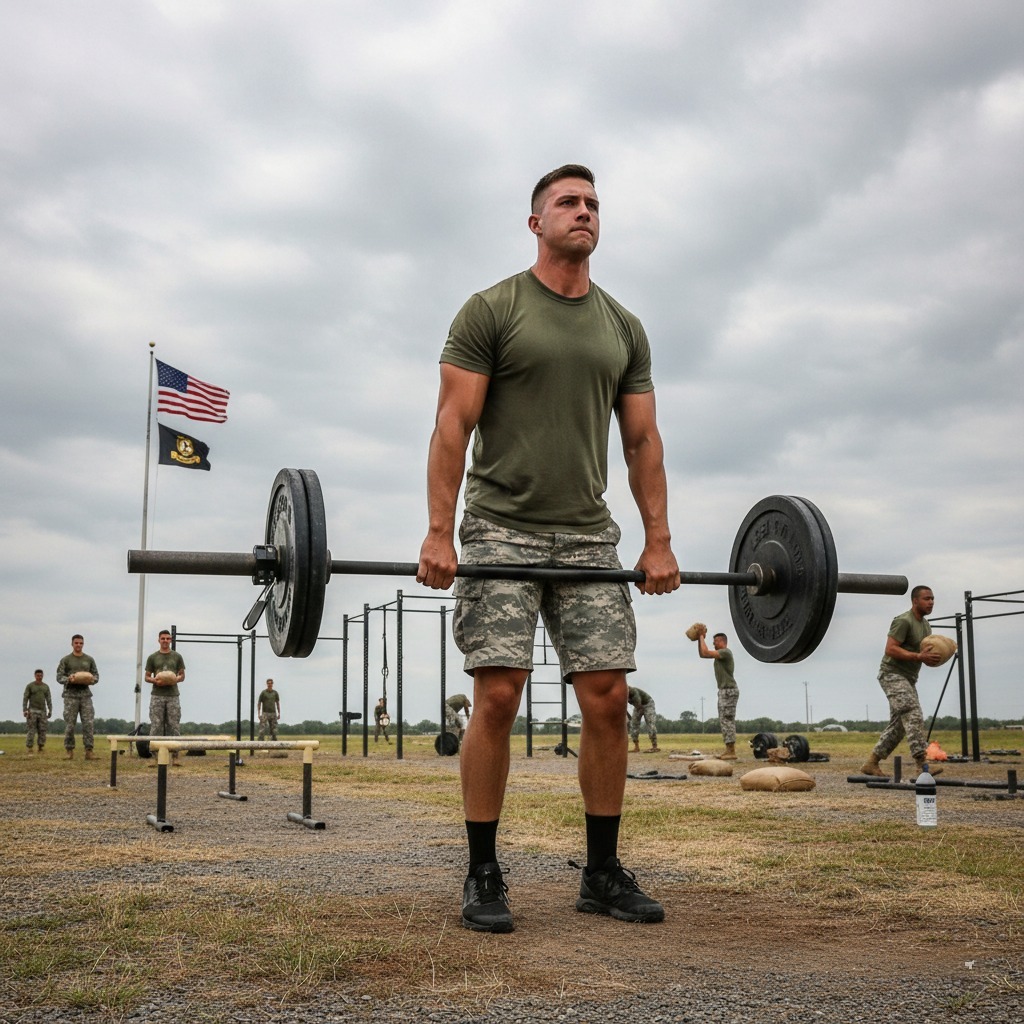
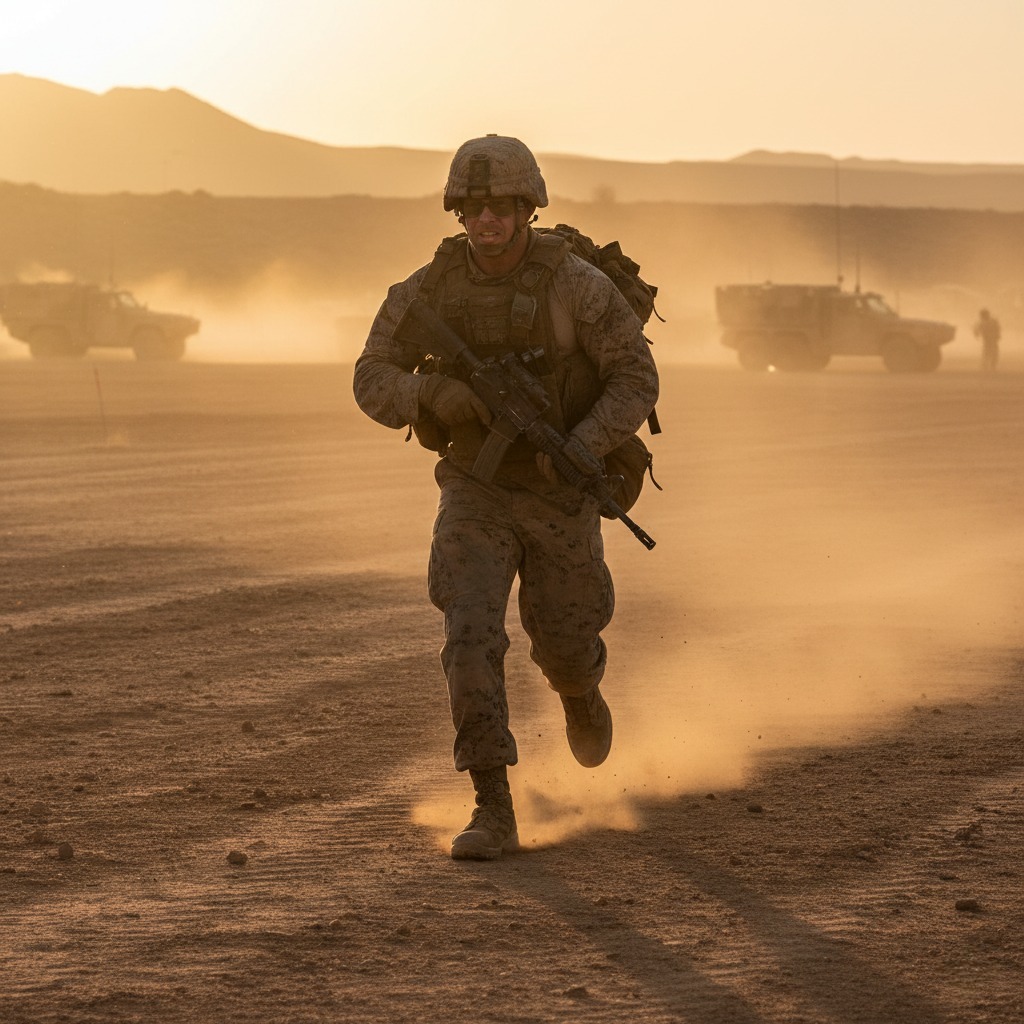
You can train for weeks and still fall apart in the first mile.
Not because you are weak.
Not because you lack effort.
But because the mile exposes everything. Your pacing. Your breathing. Your mindset. In the Army, that single mile quietly decides how the rest of the run will feel. It sets the tone for your confidence, your endurance, and sometimes your entire fitness score.
That is why understanding army mile time requirements matters more than most people realize.
This guide explains those expectations in clear, simple language. No confusion. No exaggeration. Just real standards, real training logic, and honest advice you can trust.
Why the Mile Matters So Much in Army Training
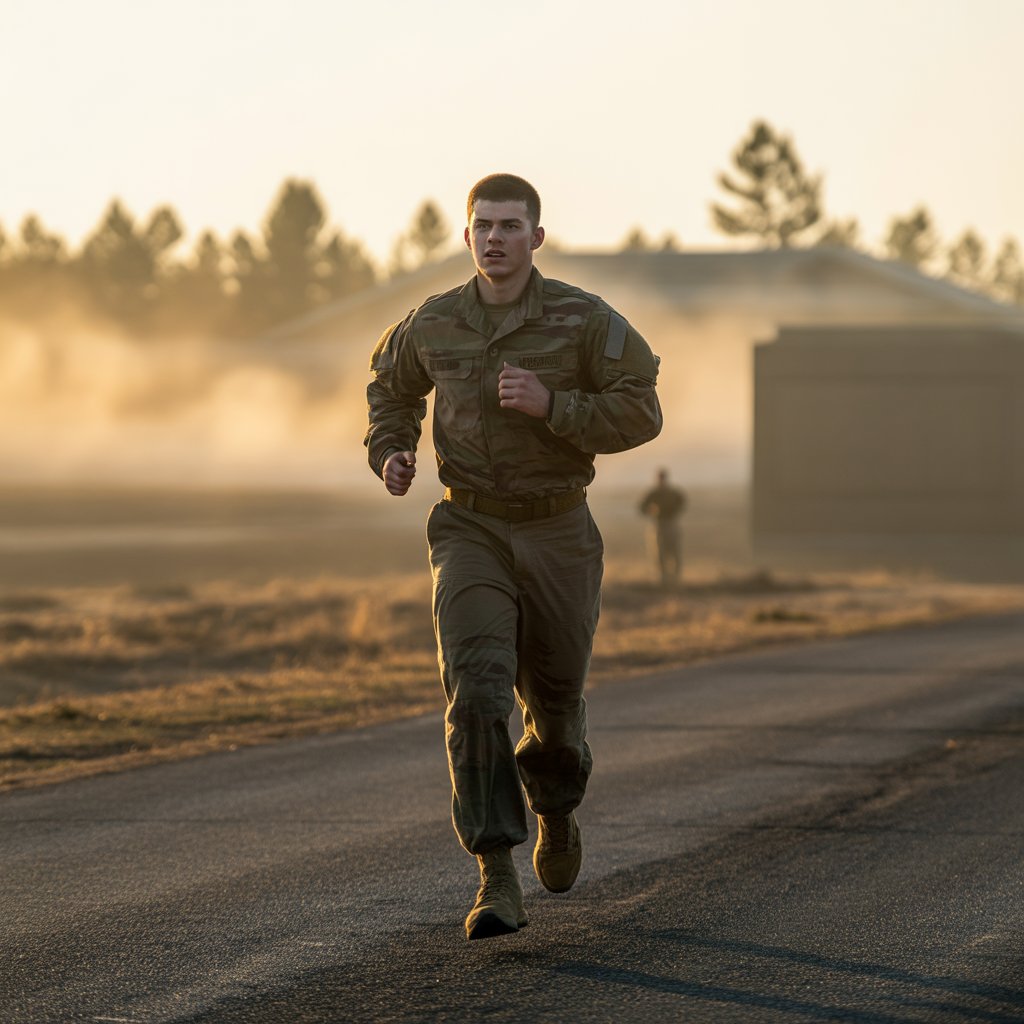
The Army does not officially test a one-mile run. Yet the mile still plays a major role in every fitness program.
Why?
Because the mile reveals your true cardiovascular endurance. If you struggle to control your pace for one mile, two miles will break you mentally and physically.
That is why drill sergeants and trainers closely watch mile performance during army running training. It tells them who is ready and who needs work.
Army Fitness Tests and Running Standards Explained Simply
The Army uses fitness tests to measure physical readiness and combat fitness. Running has always been part of this process.
Over time, the tests changed. The goal stayed the same.
The Army wants soldiers who can move efficiently, stay calm under stress, and keep going when tired.
Understanding army running requirements starts with knowing how the tests work.
Army Physical Fitness Test and the 2-Mile Run
For many years, the Army Physical Fitness Test (APFT) was the standard test. It included:
- Push-ups
- Sit-ups
- 2-mile run
The APFT never included a one-mile run. Still, instructors used mile splits to measure army endurance standards and pacing control.
According to Army Field Manual FM 7-22, these were common passing times for young soldiers:
- Men (17–21 years): 15 minutes 54 seconds
- Women (17–21 years): 18 minutes 54 seconds
That means each mile had to stay controlled. One slow mile often led to failure.
Why the Mile Became a Key Training Tool
Trainers noticed a pattern.
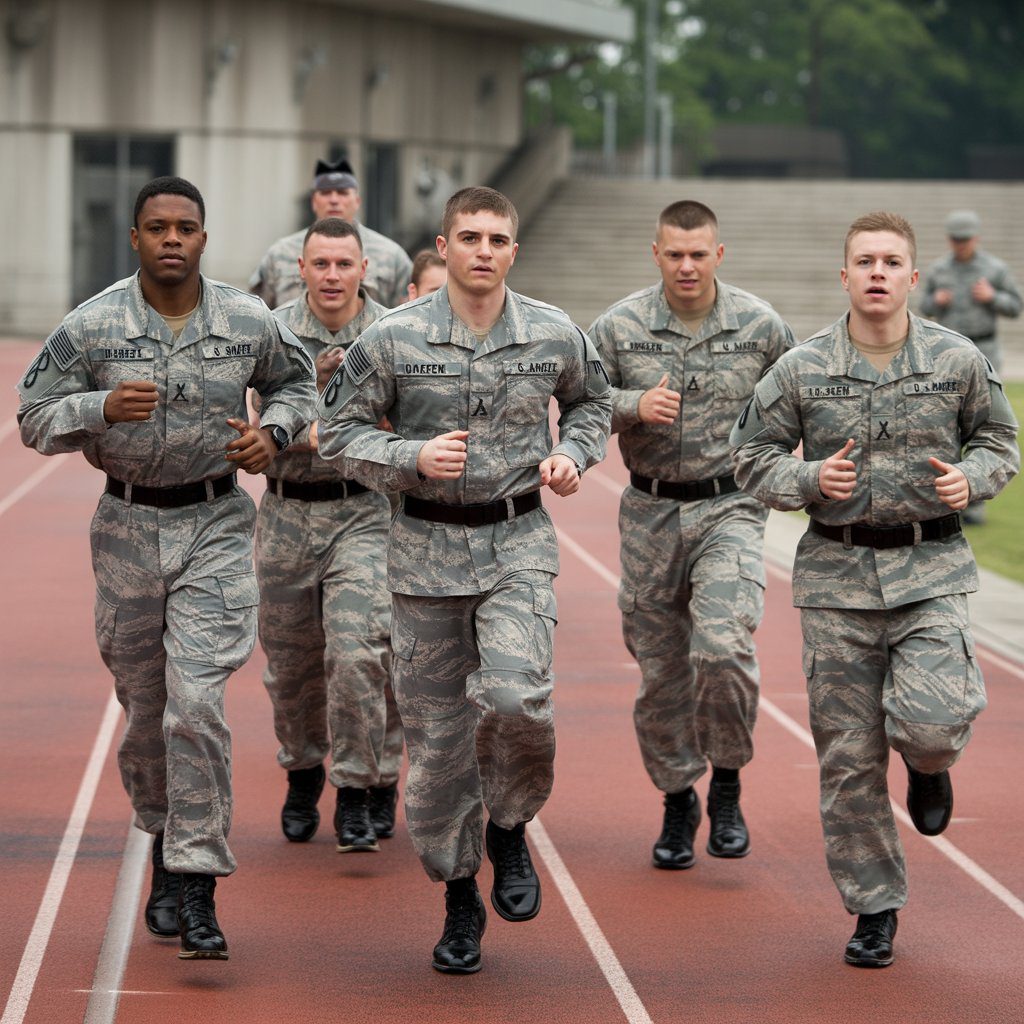
Soldiers who struggled in the first mile almost always struggled in the second. Those who controlled the first mile usually finished strong.
Because of this, the mile became a trusted tool for evaluating army physical fitness run readiness.
It still serves that purpose today.
Army Combat Fitness Test and Modern Run Expectations
The Army replaced the APFT with the Army Combat Fitness Test (ACFT) to better reflect real combat demands.
The ACFT measures:
- Strength
- Power
- Speed
- Endurance
Even with all these changes, the 2-mile run remains part of the test.
That alone shows how important running endurance still is.
ACFT Run Standards and Mile Time Reality
Under current army ACFT run standards, most soldiers must complete the 2-mile run in about 21 minutes or less to pass.
High-performing soldiers often finish under 15 minutes.
This means your realistic army mile time usually falls between:
- 7 to 10 minutes
That range depends on your role, conditioning, and training level.
Common Mile Time Benchmarks Used by Trainers
While the Army does not publish official mile-only scores, these benchmarks are widely used during army fitness training.
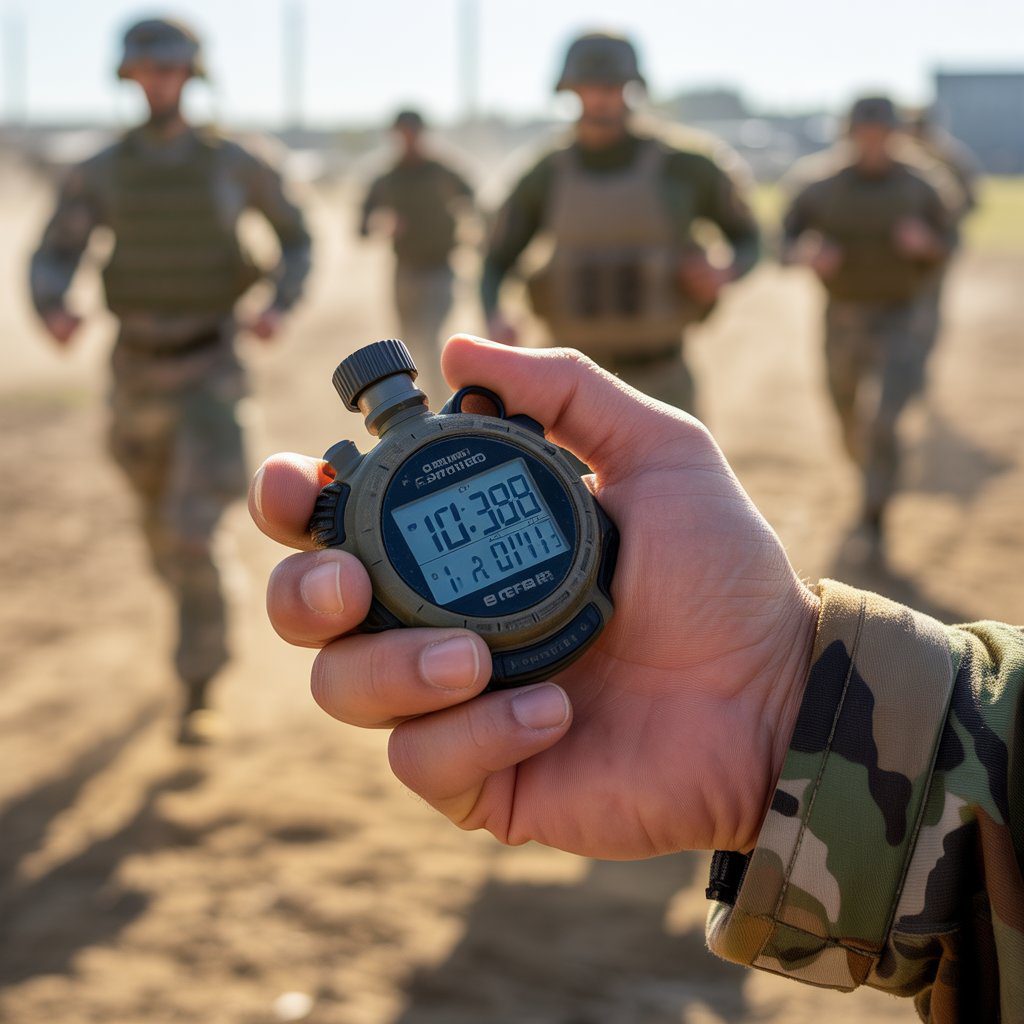
Strong Performance
- 6:00 to 6:30
Shows excellent endurance and control.
Safe and Reliable Range
- 7:00 to 7:45
Gives you a strong chance to pass the 2-mile run comfortably.
Risk Zone
- 8:30 to 9:30
Fatigue will likely affect your performance.
Below Army Standards
- 10 minutes or slower
Indicates weak endurance and poor pacing.
These benchmarks reflect real Army training practice, not online guesses.
Why Army Runs Feel Harder Than Civilian Runs
Many recruits say the same thing after their first Army run.
“I can run at home, but this feels different.”
They are right.
Army runs often include:
- Early morning starts
- Hard training days before the run
- Stress and limited sleep
- Pressure to perform
The Army tests how you perform when tired, not when comfortable.
What Instructors Look for During a Mile Run
Instructors do not focus only on speed.
They watch for:
- Steady pacing
- Controlled breathing
- Proper running form
- No walking or long slowdowns
These signs show true army fitness readiness, not just raw effort.
How Mile Time Affects Overall Army Fitness Performance
Even though the mile is not scored, it predicts almost everything.
Soldiers with strong mile times usually:
- Perform better in the 2-mile run
- Recover faster between ACFT events
- Stay calmer on test day
Poor mile performance often leads to stress, fatigue, and low scores.
Common Mistakes That Hurt Army Mile Time
Many soldiers fail not because they are lazy, but because they train wrong.
Running Too Hard Every Day
This increases injury risk and slows progress.
Starting Too Fast
Fast starts lead to burnout before the finish.
Ignoring Recovery
Rest days matter just as much as run days.
Training Without a Plan
Random running produces random results.
How the Army Recommends Training Endurance
According to FM 7-22, effective endurance training includes:
- Easy steady runs
- Short faster intervals
- Planned rest days
- Gradual improvement
The Army values consistency, not punishment.
Realistic Mile Time Goals for Army Candidates
If you want clear and achievable goals, aim for this:
- Before basic training: under 8:30
- During training: under 7:45
- Strong soldier level: under 6:45
These goals align with real army running requirements and reduce test-day stress.
The Mental Side of Army Mile Time Requirements
The mile tests more than your legs.
It tests:
- How you handle discomfort
- How you manage fatigue
- How focused you stay under pressure
That mental strength matters in the Army.
Trusted Sources Behind This Information
This article follows official Army guidance, including:
- Army Field Manual FM 7-22 (Holistic Health and Fitness)
- U.S. Army Combat Fitness Test standards
- Army physical training doctrine
All information comes from verified sources. No random data was added.

Final Thoughts on Army Mile Time Requirements
The mile may seem small, but it reveals everything.
It shows your preparation.
It shows your discipline.
It shows your mindset.
If you respect the mile, the Army run becomes manageable.
Train smart. Stay consistent. Trust the process.
Asad Ullah is the founder and lead researcher at CombatFitnessScore.com, a resource dedicated to helping U.S. Army soldiers, ROTC cadets, and fitness enthusiasts understand and prepare for the Army Fitness Test (AFT).
With a deep interest in military fitness and physical readiness, [Author Name] has spent considerable time studying official U.S. Army regulations, FM 7-22 (Army Physical Readiness Training), and the latest AFT scoring standards published by the Department of the Army.
Every article and calculator on this site is built on official Army data — not guesswork. [Author Name] regularly updates content to reflect the latest policy changes, including the 2025 transition from the ACFT to the AFT.
What this site covers:
AFT & ACFT scoring standards by age, gender, and MOS
Training tips based on Army-approved methods
Score calculators updated with the latest 2026 data
Have a question or found an error? Reach out at [email] — accuracy is our top priority.