The moment a mission begins, fitness stops being just a theory. It becomes real, physical, and unforgiving. A joint military fitness assessment exists for that exact moment. It answers one critical question: can different forces move, fight, and endure together when conditions are harsh and time matters?
In modern conflicts, success depends on shared standards, not individual traditions. When physical readiness aligns, units trust each other. When it does not, risk increases. That is why joint fitness is no longer optional. It is foundational to real-world readiness.
Introduction to Joint Military Fitness Assessment
A joint military fitness assessment evaluates physical readiness across multiple services or partner forces using shared performance benchmarks. It focuses on mission-relevant tasks instead of isolated exercises.
Joint operations demand common expectations. Without them, coordination breaks down. One unit slows another. Fatigue spreads. Injuries rise.
Fitness is not separate from readiness. It directly shapes operational readiness and mission readiness in every joint environment.
What Is a Joint Military Fitness Assessment?
At its core, a joint fitness assessment measures whether service members can meet the physical demands of joint missions. It looks at how the body performs under stress, load, and time pressure.
Unlike a traditional military fitness assessment, this approach emphasizes shared capability. It moves beyond branch-specific routines and focuses on joint operational fitness.
By aligning expectations, joint assessments support combined training and real-world deployments involving multiple services or allied forces.
Why Joint Military Fitness Assessments Are Necessary Today
Modern warfare rarely involves a single branch acting alone. Today’s conflicts rely on joint operations, rapid coordination, and shared execution.
When forces follow different fitness systems, problems emerge. One unit may lack endurance. Another may struggle with movement under load. These gaps reduce efficiency and increase risk.
A unified approach improves safety, coordination, and tempo. It strengthens combat readiness by ensuring no one becomes the weak link under pressure.
Core Objectives of a Joint Military Fitness Assessment
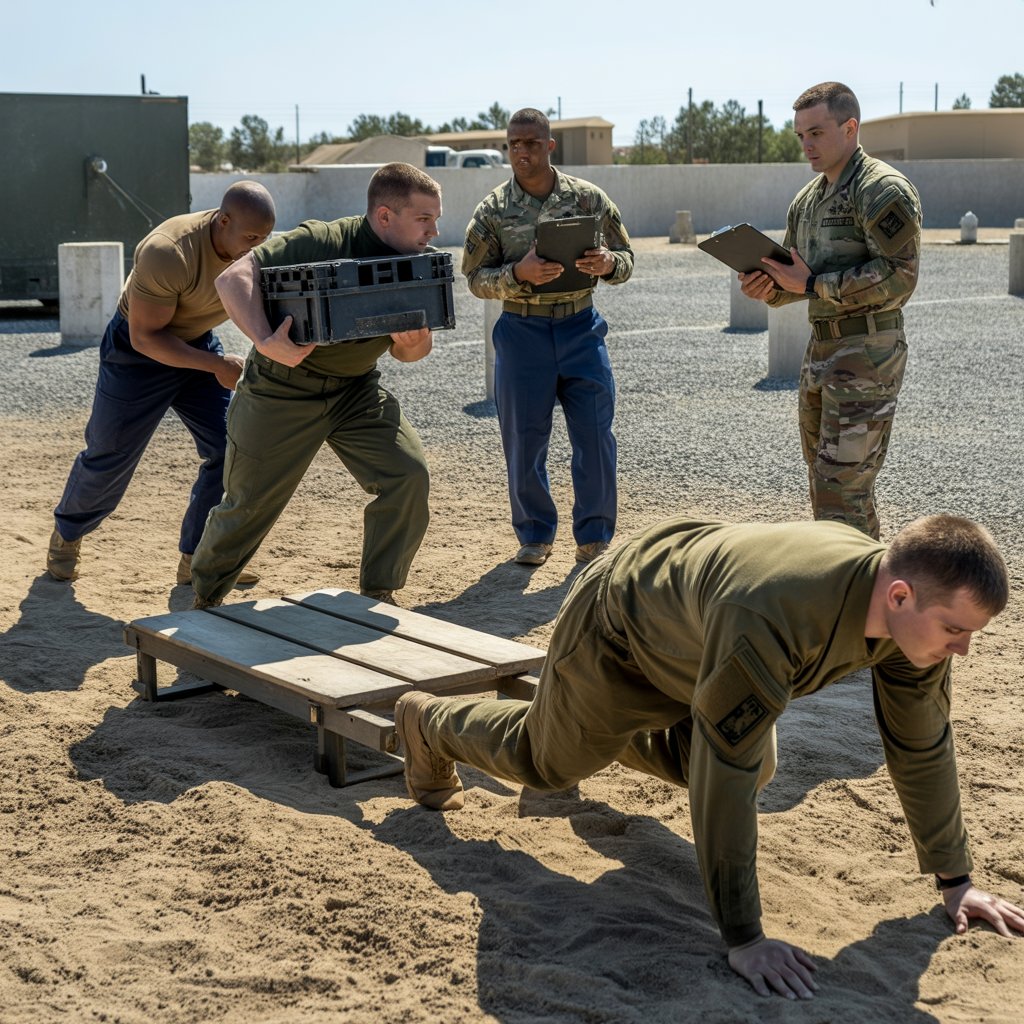
The first objective is measuring joint physical readiness through realistic, task-driven testing. This ensures fitness translates directly to mission demands.
The second objective focuses on force interoperability. Shared standards allow different units to function as one.
Another key objective is injury prevention. Assessments based on real movement patterns identify weaknesses before deployment.
Finally, these assessments support long-term joint force physical readiness, protecting personnel while sustaining performance.
Key Components of a Joint Military Fitness Assessment
This section separates strong content from shallow coverage. Each component reflects battlefield reality.
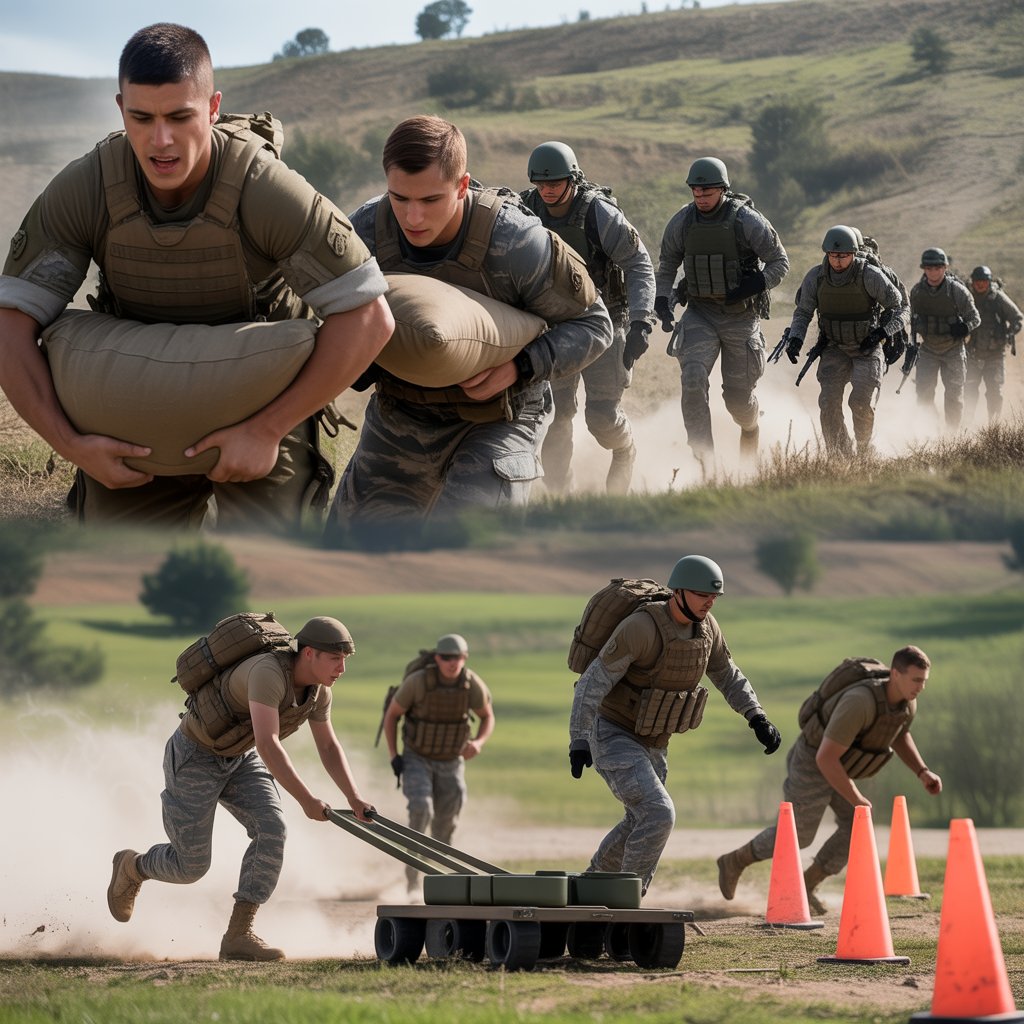
Strength and Power Evaluation
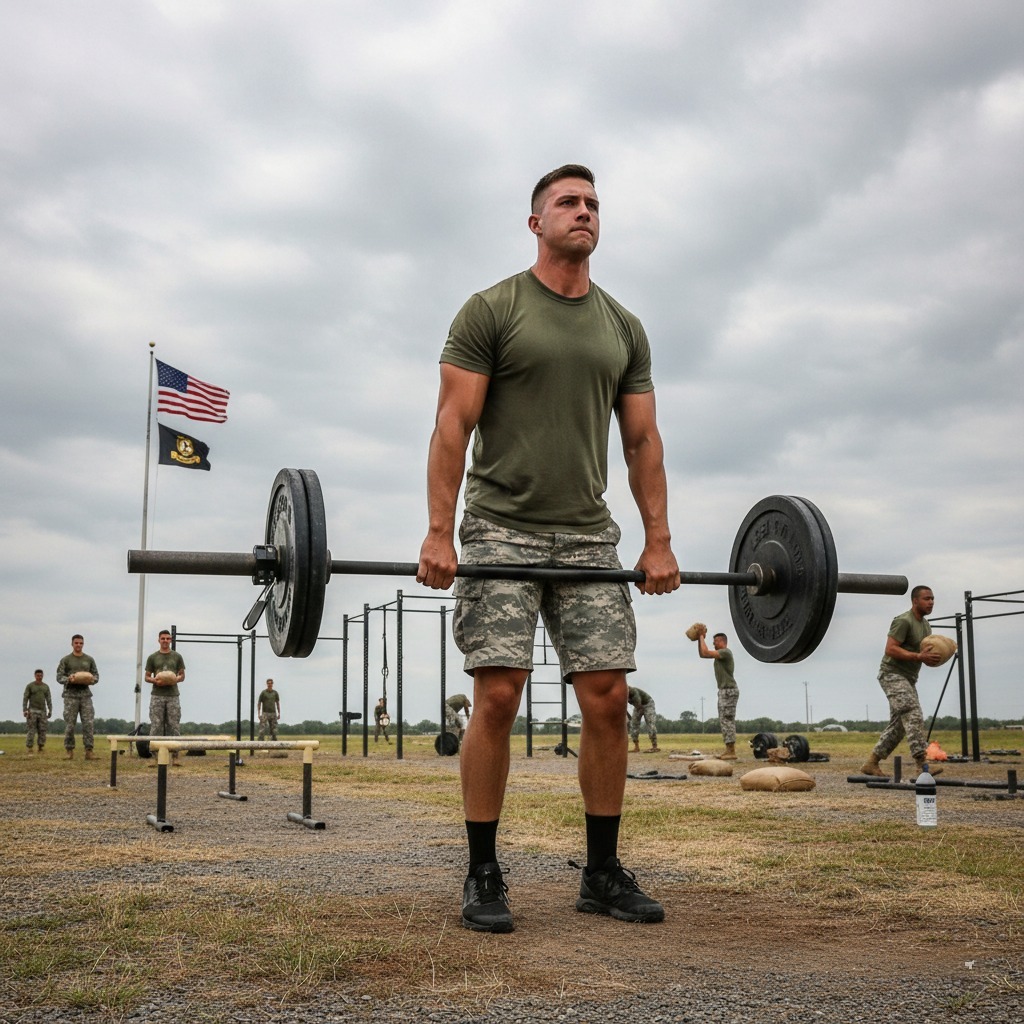
Joint assessments measure usable strength through lifts, drags, and carries. These movements support military functional fitness assessment goals.
Battlefield tasks demand real strength and endurance, not perfect form in ideal conditions. Power allows service members to act decisively under stress.
Load Carriage and Movement Under Load
Few military tasks occur without equipment. Load carriage testing evaluates how well personnel move with operational weight.
These tests align with physical employment standards used in joint environments. They also reflect joint combat fitness standards more accurately than unloaded running.
Speed, Agility, and Mobility
Speed alone does not win missions. Controlled movement does. Joint assessments test mobility and agility through short sprints, transitions, and directional changes.
This improves performance in urban terrain, confined spaces, and unpredictable environments where stability matters.
Endurance and Work Capacity
Traditional endurance tests measure distance. Joint assessments measure work capacity.
Sustained output across repeated tasks reflects real missions. This approach supports task-based fitness testing and realistic performance optimization.
How Joint Fitness Assessments Differ From Traditional Military Fitness Tests
Legacy tests focus on repetition counts and simplicity. They offer limited insight into operational performance.
Joint assessments prioritize movement quality, task transfer, and durability. This shift supports joint training fitness standards built around function, not tradition.
Real missions reward adaptability, not perfect scores.
Joint Military Fitness Assessment and Operational Readiness
A joint readiness fitness evaluation provides commanders with actionable data. It shows who can perform, not just who passed.
Leaders use assessment results to guide training, manage risk, and prepare units for deployment. This improves readiness assessment accuracy.
Fitness becomes a planning tool instead of a checkbox.
Training Principles for Joint Military Fitness Assessments
Preparation begins with movement-based training. Functional lifts, carries, and sprints build functional fitness that transfers directly to operations.
Balanced programming supports physical conditioning across strength, endurance, and mobility. Overloading one quality creates vulnerabilities.
Gradual progression protects the body and sustains readiness. Recovery supports long-term joint operational fitness and injury resilience.
Role of Joint Military Fitness Assessments in Allied and NATO Forces
Multinational missions require shared expectations. Joint assessments help align forces under NATO standards and coalition frameworks.
A combined force fitness assessment reduces uncertainty during joint exercises and deployments. Units understand each other’s capabilities before operations begin.
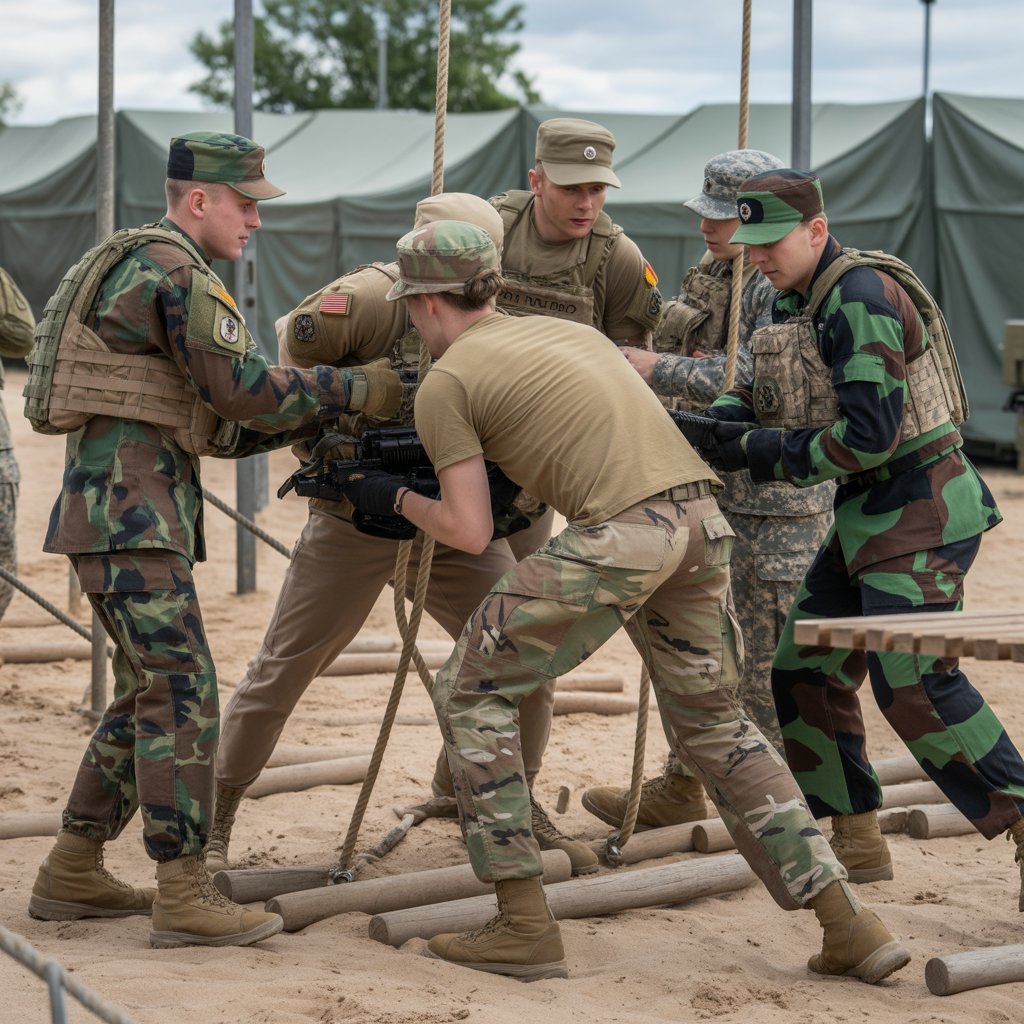
This trust improves coordination and mission execution.
Common Misconceptions About Joint Military Fitness Assessments
Some believe joint assessments lower standards. In reality, they raise relevance.
Others think they replace service tests. Instead, they complement joint service fitness testing by covering shared demands.
Complexity is another concern. Well-designed systems remain simple, repeatable, and measurable.
Scientific and Doctrinal Foundations Behind Joint Fitness Models
Joint fitness models align with military training doctrine that prioritizes sustainable readiness.
Sports science supports this shift. Functional testing reduces injury risk and improves task performance.
Evidence-based systems strengthen joint force fitness standards by connecting assessment directly to mission outcomes.
Future of Joint Military Fitness Assessments
The future favors smarter testing. Technology now supports real-time data, workload tracking, and individualized recovery.
Holistic health is gaining focus. Sleep, nutrition, and mental resilience now shape readiness alongside fitness.
These trends reinforce joint force physical readiness for modern operations.
Final Thoughts
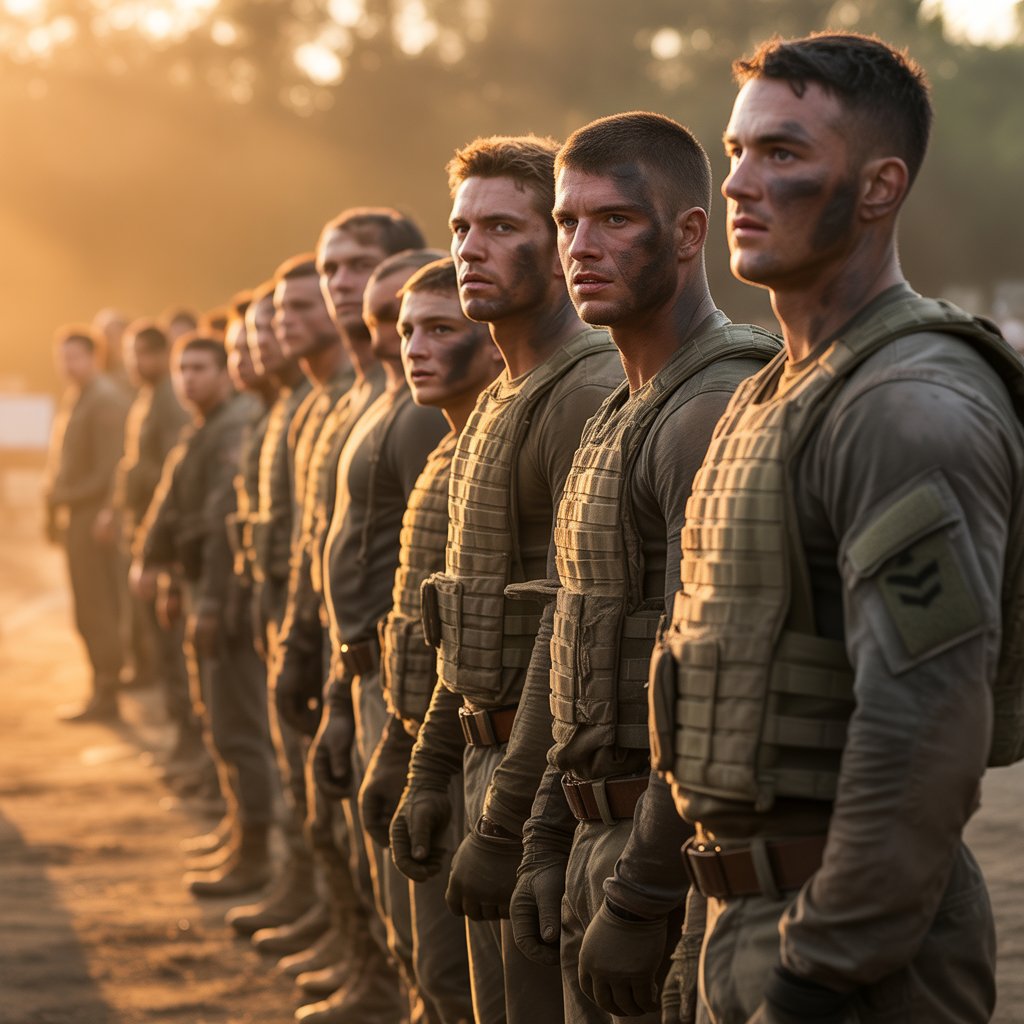
A joint military fitness assessment is not about harder tests. It is about honest preparation.
Shared standards create shared confidence. They protect lives, improve coordination, and strengthen trust across forces.
When fitness reflects reality, readiness becomes reliable. That is what joint assessments deliver, and why they matter.

Asad Ullah is the founder and lead researcher at CombatFitnessScore.com, a resource dedicated to helping U.S. Army soldiers, ROTC cadets, and fitness enthusiasts understand and prepare for the Army Fitness Test (AFT).
With a deep interest in military fitness and physical readiness, [Author Name] has spent considerable time studying official U.S. Army regulations, FM 7-22 (Army Physical Readiness Training), and the latest AFT scoring standards published by the Department of the Army.
Every article and calculator on this site is built on official Army data — not guesswork. [Author Name] regularly updates content to reflect the latest policy changes, including the 2025 transition from the ACFT to the AFT.
What this site covers:
AFT & ACFT scoring standards by age, gender, and MOS
Training tips based on Army-approved methods
Score calculators updated with the latest 2026 data
Have a question or found an error? Reach out at [email] — accuracy is our top priority.