
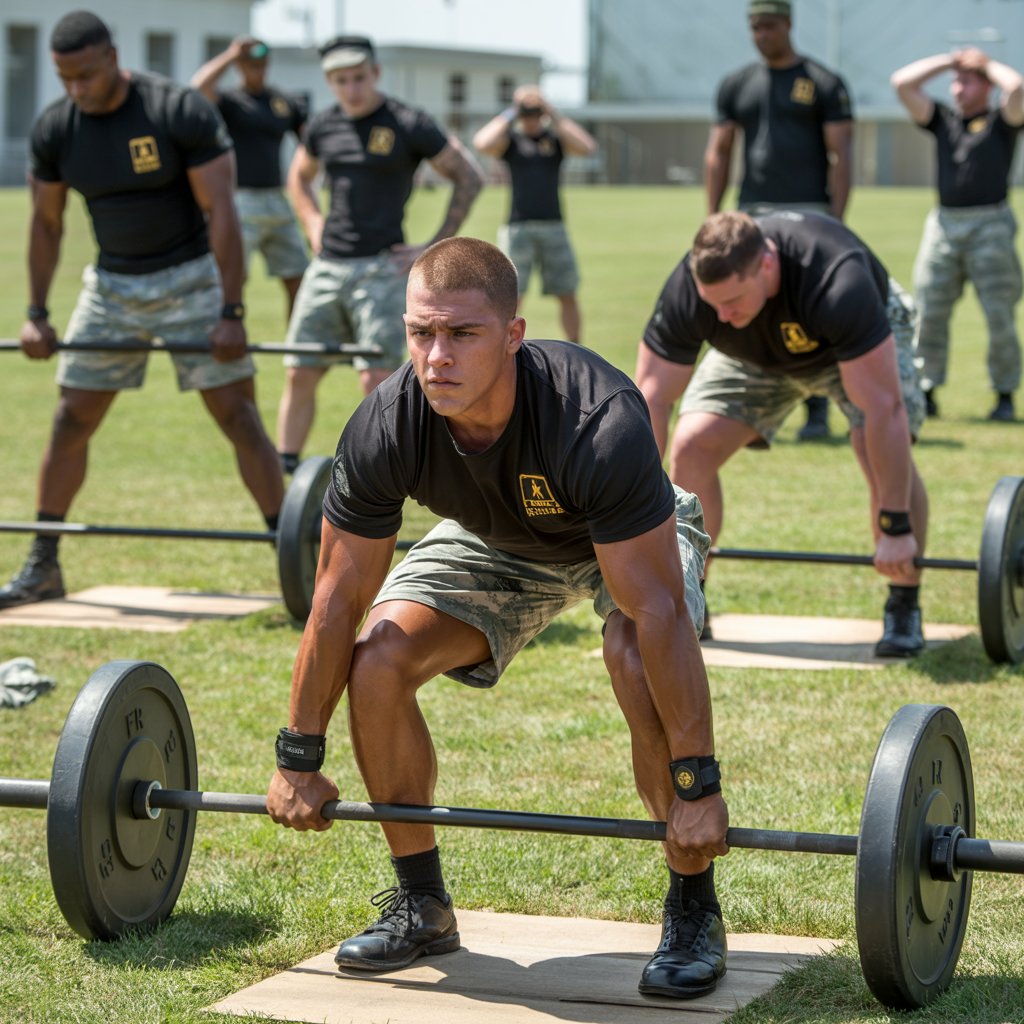
The Army Combat Fitness Test (ACFT) was renamed the Army Fitness Test (AFT) in 2026, but Soldiers in close combat MOS still face the same reality: higher physical demands and higher expectations.
Many Soldiers search for acft standards close combat moss because they want clear answers. They want to know what standards apply, how scoring works, and what commanders really expect. This guide explains everything in simple terms, based on official Army guidance—not rumors or social media charts.
ACFT standards close combat MOS: quick overview
Here’s the short version:
- The ACFT is now officially called the AFT
- Event structure remains mostly the same
- Soldiers must pass every event
- Close combat MOS follow combat fitness standards
- Commanders expect performance above minimums
If your job involves direct combat, passing alone is not the goal. Readiness is.
ACFT vs. AFT: What changed for close combat MOS in 2026?
The Army did not lower standards or redesign the test. It clarified the system.
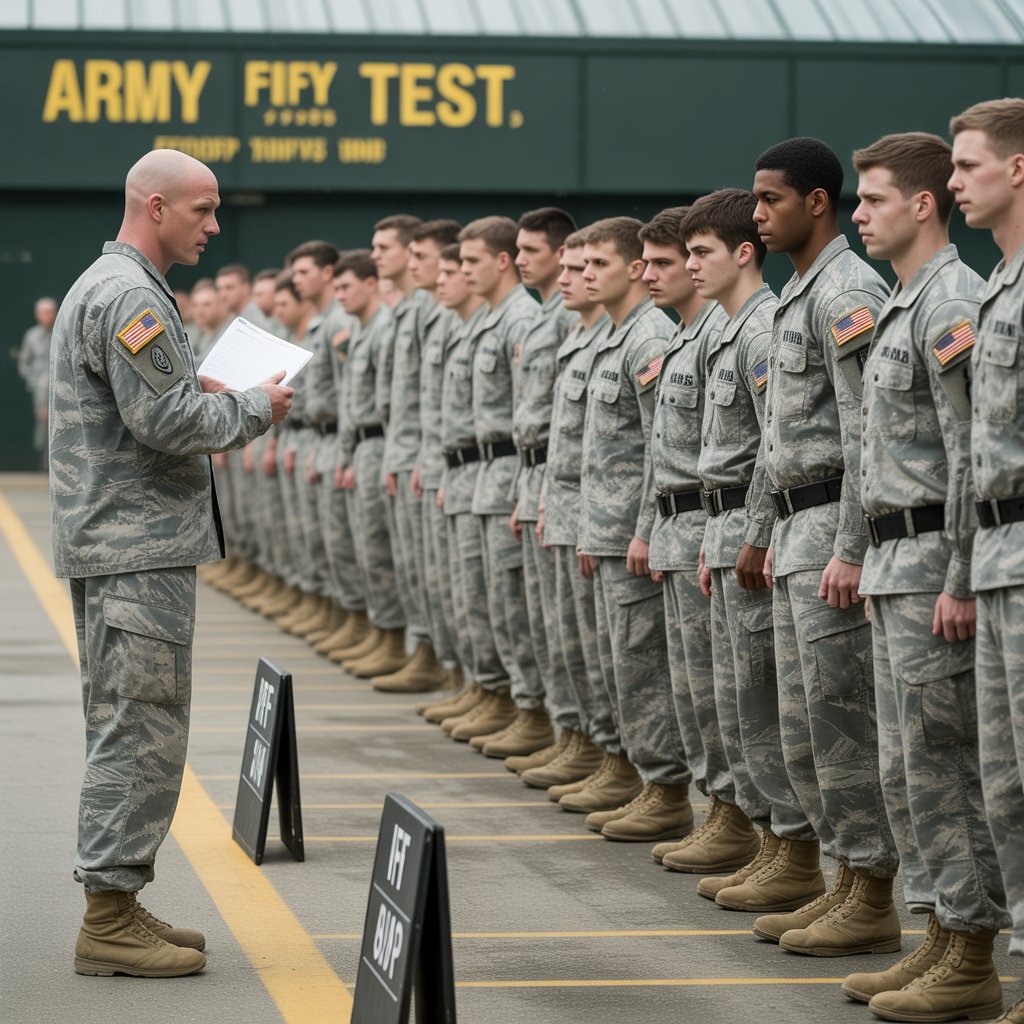
New test name, same combat focus
The shift from ACFT to AFT reflects one idea: every Soldier supports combat operations. However, acft standards close combat moss still reflect higher job demands.
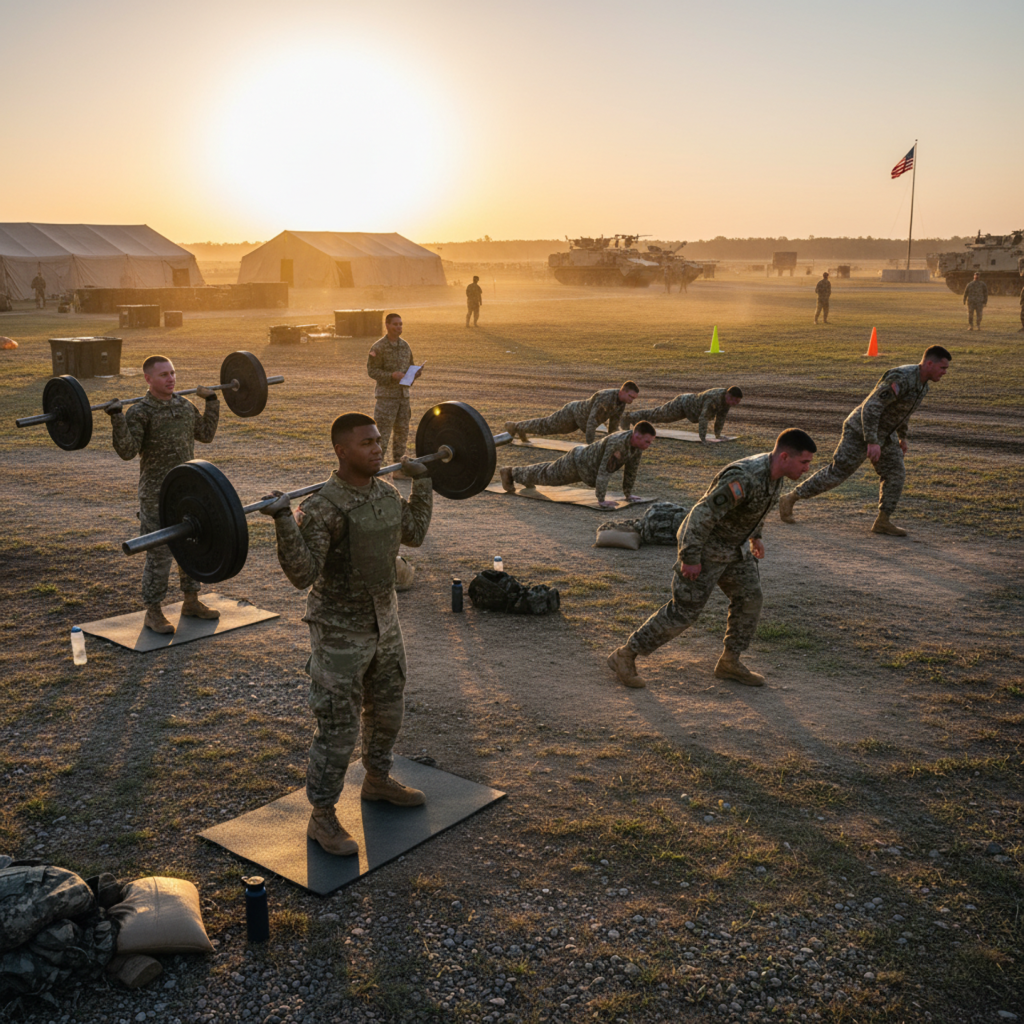
The Army kept the events because they measure:
- Strength under load
- Speed while fatigued
- Endurance over distance
Combat has not changed. The test still prepares Soldiers for it.
Close combat MOS and combat standards
The Army identifies 21 combat MOS and AOCs that require higher physical performance. These include:
- Infantry
- Armor and Cavalry
- Combat Engineers
- Field Artillery
- Special Operations support roles
While all Soldiers use the same AFT score charts, acft standards close combat moss require higher minimum performance levels based on job task analysis and injury data.
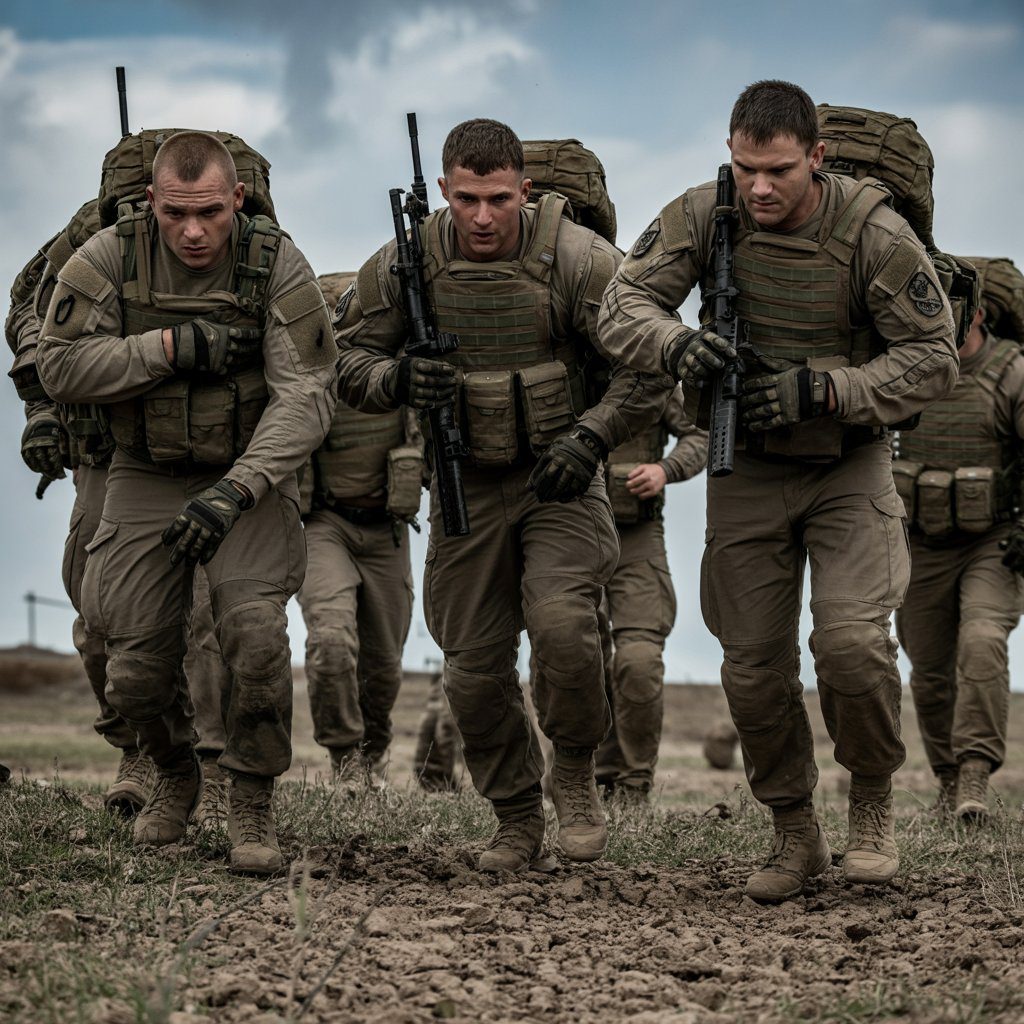
Combat jobs demand combat fitness. The Army’s data supports this approach.
Transition timeline
By 2026, the Army fully integrated the AFT name into:
- Official doctrine
- Training records
- Evaluations and counseling
Soldiers may still say “ACFT,” but official records now use “AFT.” The standards themselves remain consistent.
AFT events and why they matter for close combat MOS
Each event directly connects to battlefield movement and injury prevention.
3-Rep Max Deadlift (MDL)
The MDL measures total-body strength, especially in the legs, hips, and core.
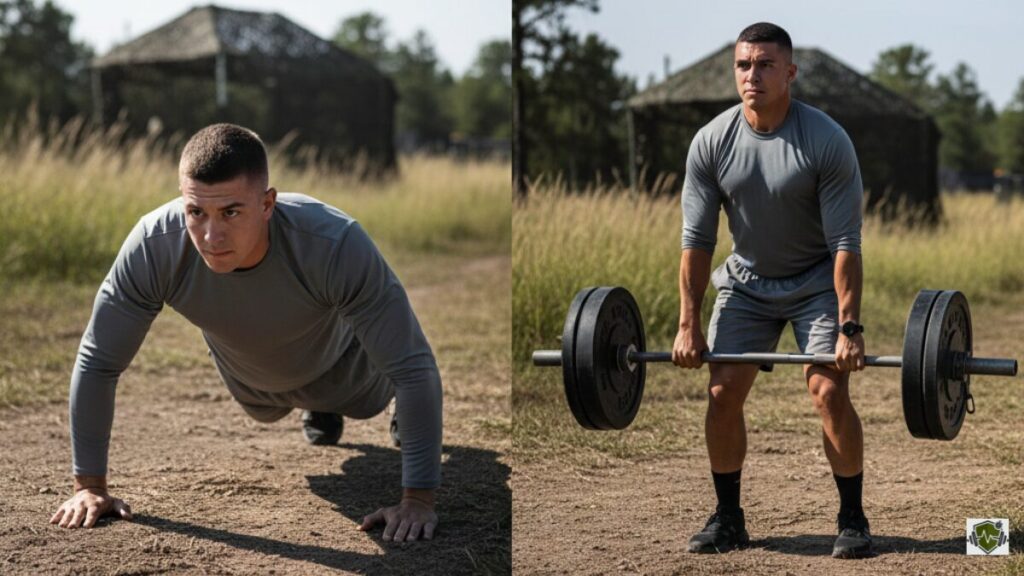
For Soldiers under acft standards close combat moss, this event matters because they regularly:
- Lift heavy equipment
- Move barriers
- Carry injured teammates
Strong lifting ability reduces injury risk and improves mission performance.
Hand-Release Push-Up (HRP)
The HRP measures upper-body endurance and core control.
The hand release removes cheating and enforces proper form. Soldiers must maintain strength under fatigue, which reflects real combat conditions.
Sprint-Drag-Carry (SDC)
The SDC is one of the most important events for close combat MOS.
It measures:
- Speed
- Power
- Agility
- Mental toughness
The sprinting, dragging, and carrying directly reflect combat movement patterns. Many Soldiers struggle here because combat is demanding.
Plank (PLK)
The plank measures core endurance and spinal stability.
A strong core protects Soldiers during:
- Ruck marching
- Load carriage
- Repetitive lifting
For acft standards close combat moss, core strength is not optional. It is protective equipment.
Two-Mile Run (2MR)
The 2MR Run measures aerobic endurance and cardiovascular fitness.
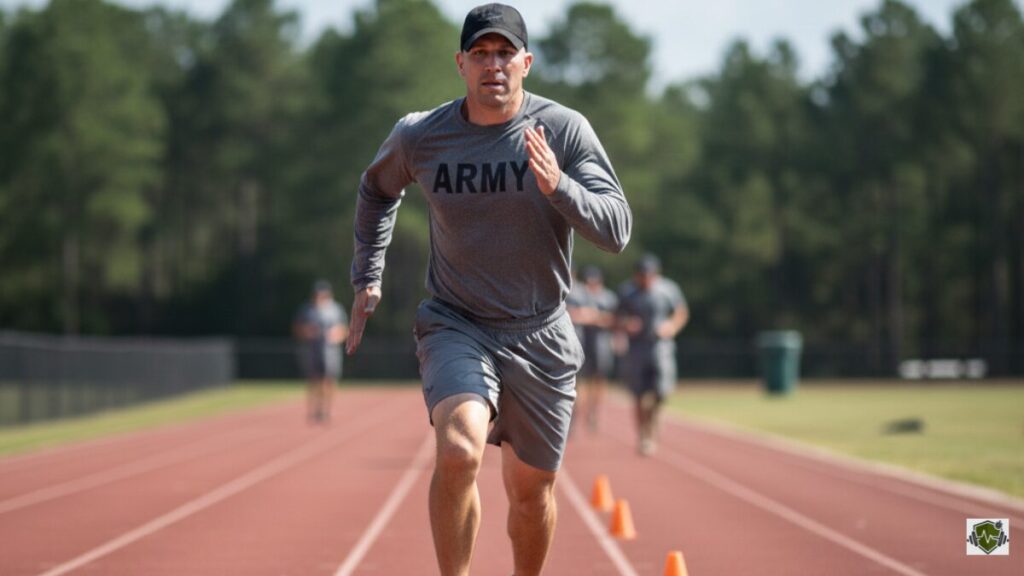
Close combat operations require sustained movement over distance. The run remains a reliable way to assess long-term endurance and recovery ability.
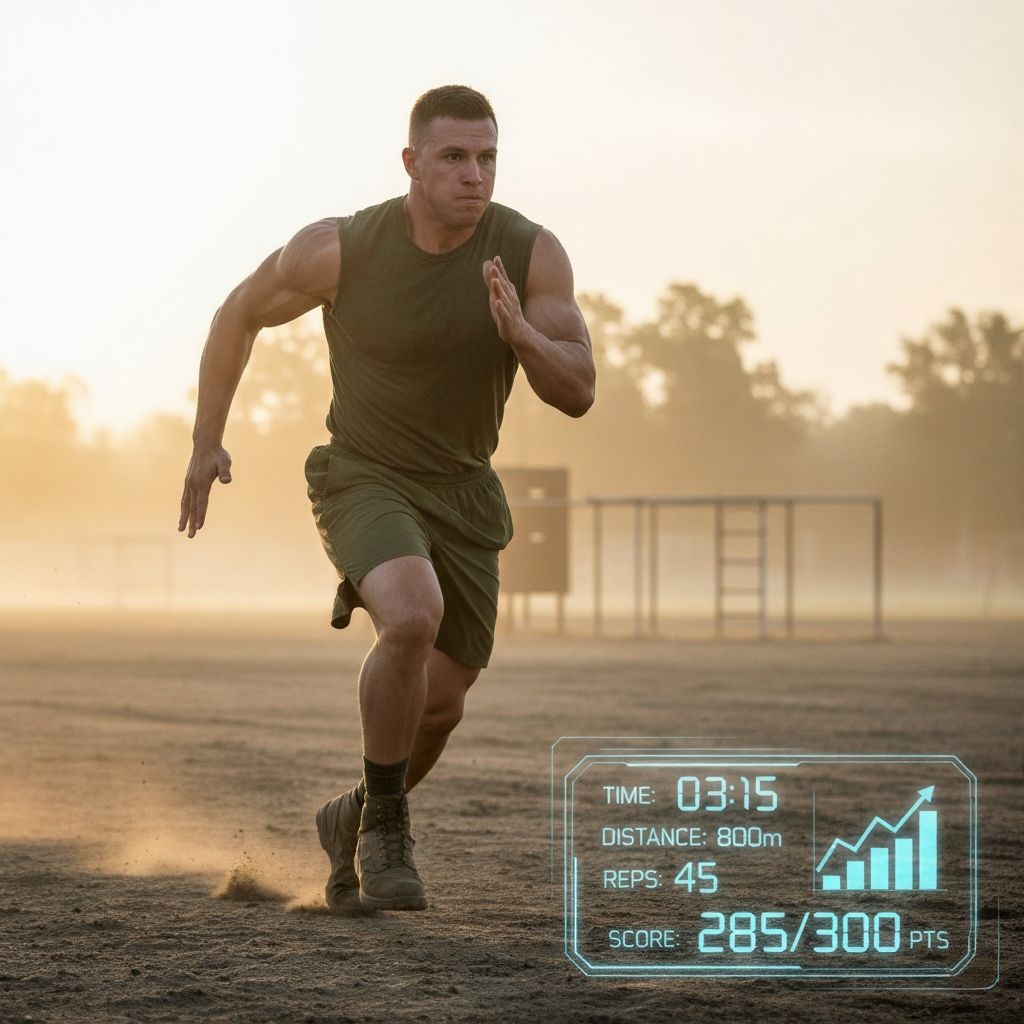
ACFT scoring basics for close combat MOS
Understanding scoring removes confusion and stress.
General standard vs. combat standard
The Army applies:
- General fitness standards for most Soldiers
- Combat fitness standards for close combat roles
The AFT score tables stay the same. The required minimums differ based on occupational demand studies.
This system keeps the force fair, capable, and ready.
Age and sex adjustments
The Army uses age- and sex-normed scoring.
This system:
- Maintains combat relevance
- Accounts for physiological differences
- Reduces preventable injuries
Performance still matters. The standards remain meaningful.
Where to find official ACFT / AFT standards
For accurate acft standards close combat moss, always use:
- Army Publishing Directorate (APD)
- FM 7-22: Holistic Health and Fitness
- Official Army.mil updates
- Unit-issued policy guidance
Avoid unofficial charts without citations.
How to read AFT score charts
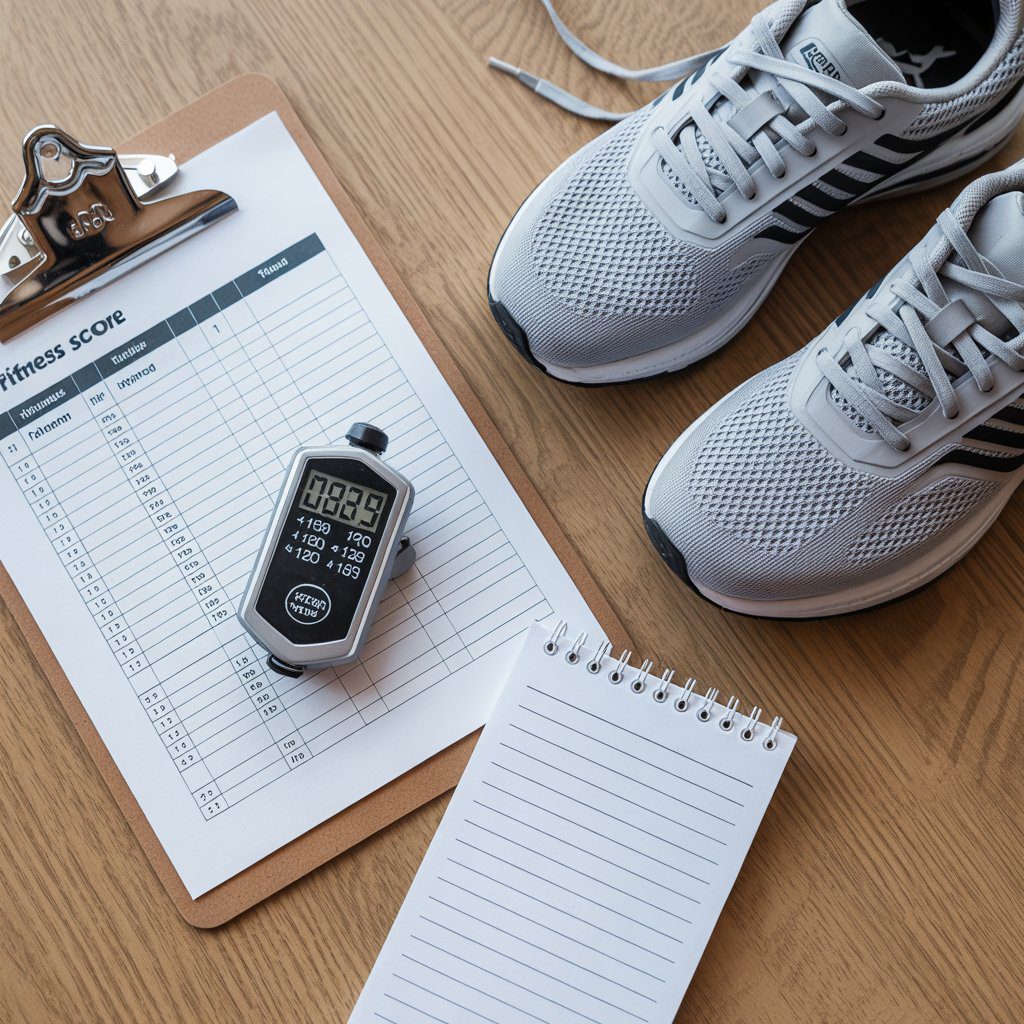
Step 1: Select the correct standard
Choose:
- Combat standard
- Enlisted or Officer category
Step 2: Find your age group
Locate your age band and sex category. The chart applies the correct scoring automatically.
Step 3: Match performance to points
Convert each event result into points.
Fail one event, fail the test. This rule still applies.
Training for acft standards close combat moss
Passing is the baseline. Combat readiness is the goal.
Confirm your requirements
Before training hard, verify:
- Your MOS classification
- Combat standard requirements
- Minimum scores per event
Clarity improves results.
Focus on weak events first
Most Soldiers improve fastest in:
- Sprint-Drag-Carry technique
- Plank endurance
- Push-up pacing
Target weaknesses before strengths.
Use testing blocks
Test every 6–8 weeks to track progress and build confidence.
Train for readiness, not minimums
Minimums protect paperwork.
Readiness protects Soldiers.
Train accordingly.
Common questions about acft standards close combat moss
Is ACFT still used, or is it all AFT now?
Officially, it is the Army Fitness Test (AFT). Most Soldiers still use the ACFT name informally.
What is a passing score for close combat MOS?
Soldiers must:
- Pass every event
- Meet combat fitness minimums
There is no average pass score.
What happens if I fail?
Failure may result in:
- Remedial training
- Counseling
- Administrative action
Early improvement prevents career issues.
Conclusion
The acft standards close combat moss exist for one reason: prepare Soldiers for real combat demands.
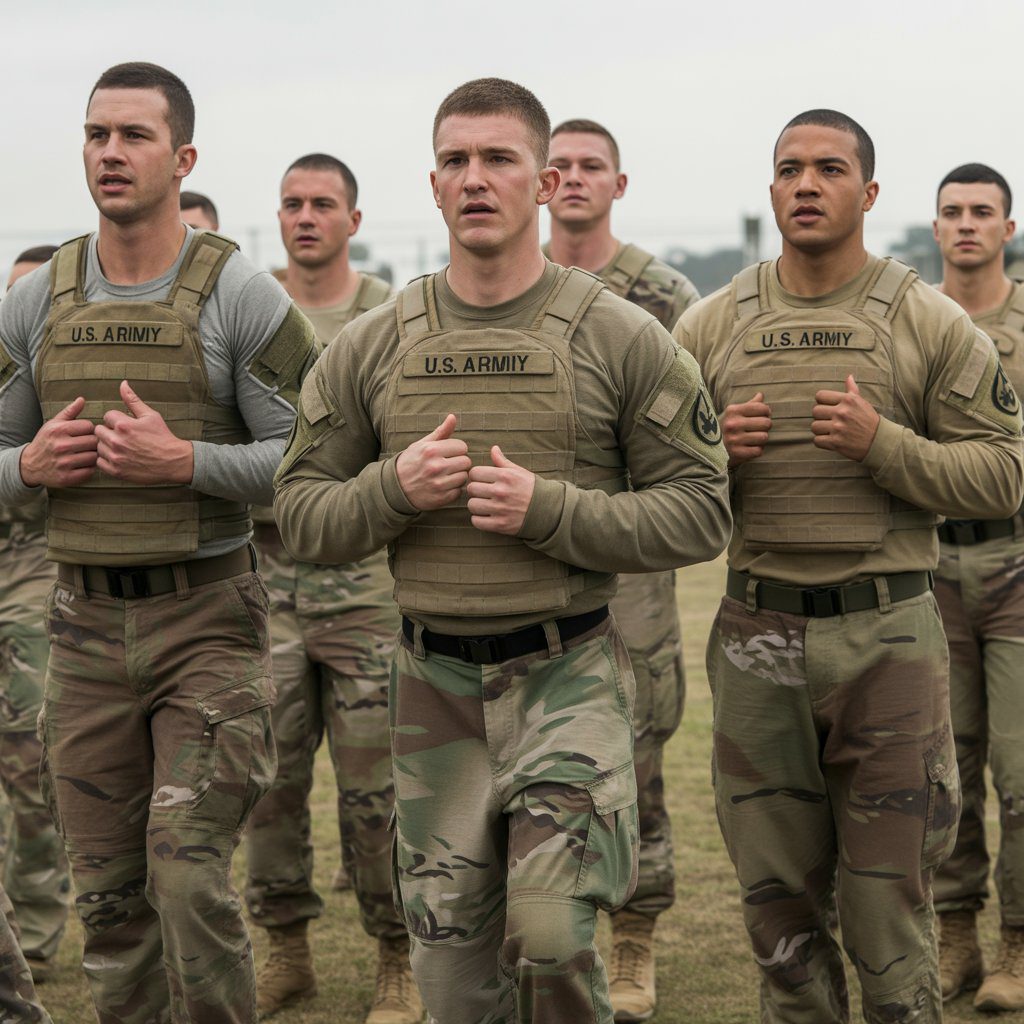
The name changed.
The expectations did not.
Know your standard.
Train with purpose.
Show up ready.
Asad Ullah is the founder and lead researcher at CombatFitnessScore.com, a resource dedicated to helping U.S. Army soldiers, ROTC cadets, and fitness enthusiasts understand and prepare for the Army Fitness Test (AFT).
With a deep interest in military fitness and physical readiness, [Author Name] has spent considerable time studying official U.S. Army regulations, FM 7-22 (Army Physical Readiness Training), and the latest AFT scoring standards published by the Department of the Army.
Every article and calculator on this site is built on official Army data — not guesswork. [Author Name] regularly updates content to reflect the latest policy changes, including the 2025 transition from the ACFT to the AFT.
What this site covers:
AFT & ACFT scoring standards by age, gender, and MOS
Training tips based on Army-approved methods
Score calculators updated with the latest 2026 data
Have a question or found an error? Reach out at [email] — accuracy is our top priority.
I do not know if it’s just me or if perhaps everybody else encountering problems
with your site. It appears as though some of the text on your content are running off the screen. Can someone else please comment
and let me know if this is happening to them as well? This could be a problem with my browser because I’ve had this happen previously.
Appreciate it