Lower belly fat is one of the most frustrating areas to deal with. You eat better, you exercise, the scale moves, but that lower stomach area barely changes. There is a reason for that, and it is not a lack of effort or willpower.
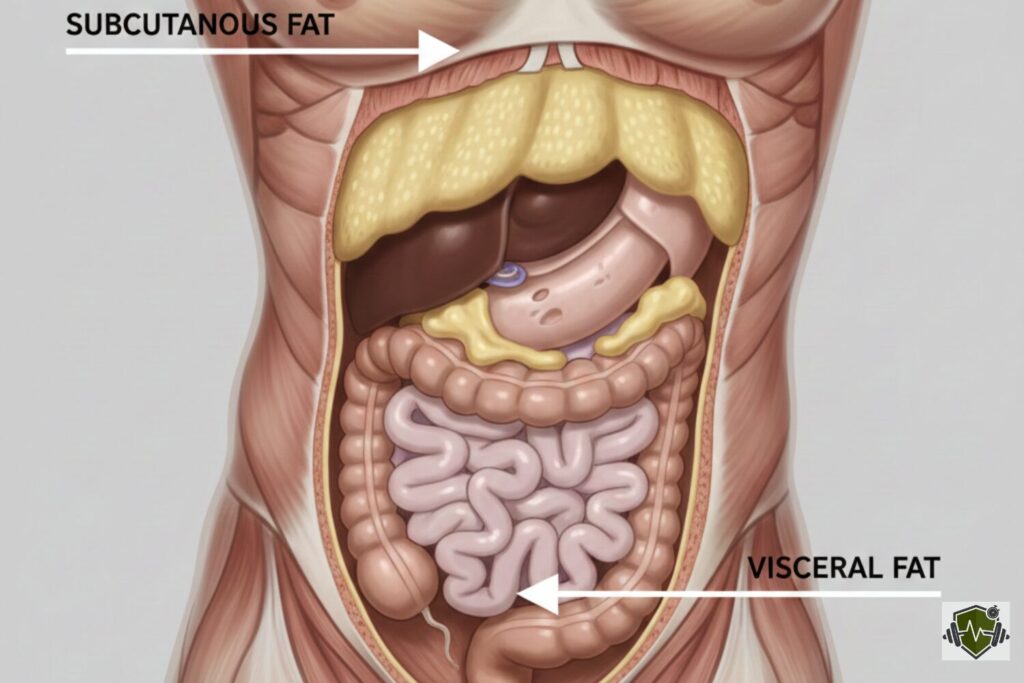
Losing lower belly fat means understanding how abdominal adipose tissue works, especially the difference between subcutaneous fat (the fat you can pinch) and visceral fat (the deeper fat stored around your organs). This deeper fat plays a direct role in metabolic syndrome, insulin resistance, and chronic inflammation.
This guide explains the science behind stubborn lower belly fat and gives you practical steps that actually work.
Subcutaneous Fat vs. Visceral Fat (Quick Definition)
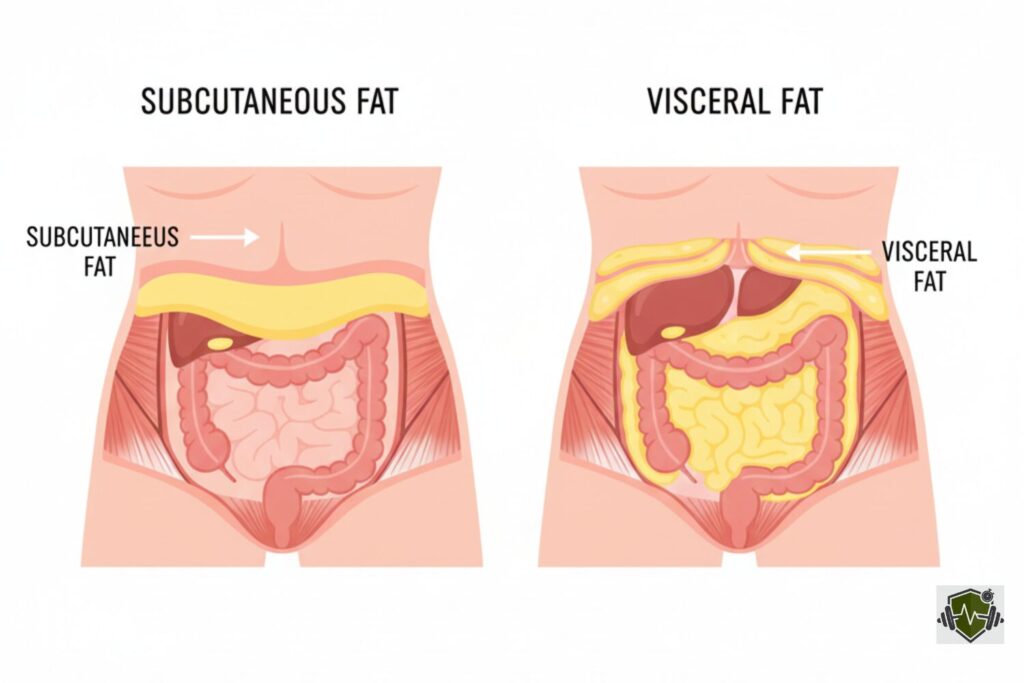
Subcutaneous fat sits just under the skin. It is soft, pinchable, and less dangerous metabolically.
Visceral fat is stored deeper in the abdominal cavity, surrounding vital organs. This type of fat is strongly linked to high blood sugar, blood pressure issues, and cardiovascular risk.
Most people have a mix of both in the lower belly, which is why progress can feel slow.
Why Lower Belly Fat Is So Hard to Lose
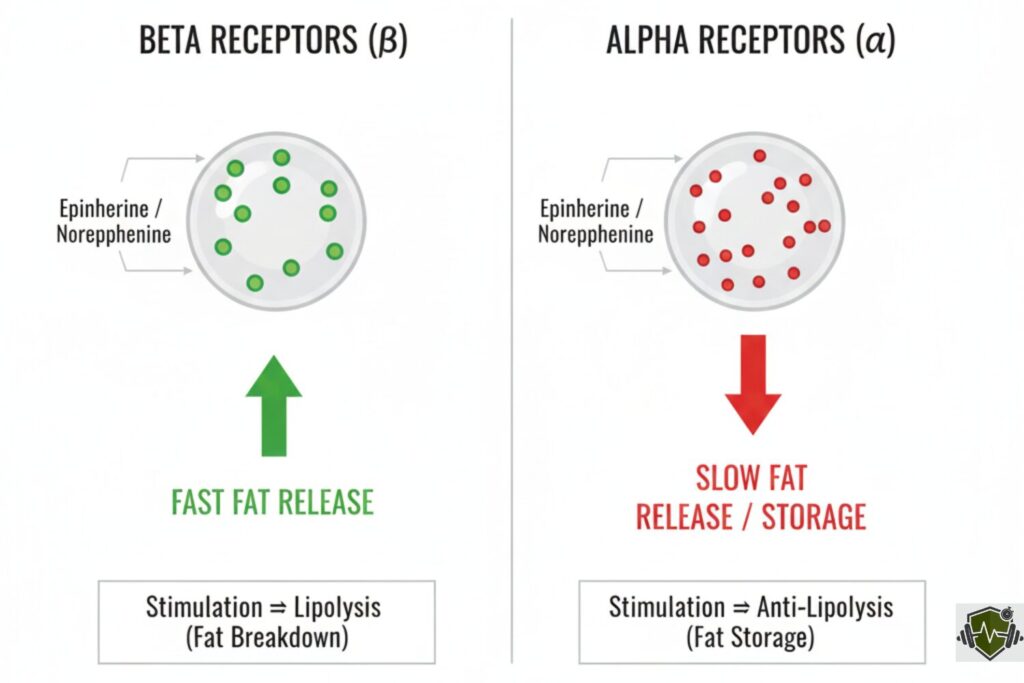
Lower belly fat is resistant because of fat cell receptor behavior and hormonal signaling.
Fat cells in the lower abdomen contain more alpha-2 receptors, which slow down lipolysis, the process where stored fat is broken down and released for energy. Areas with more beta receptors, like the arms or upper belly, release fat more easily.
Hormones also play a major role:
- Cortisol promotes fat storage in the abdominal region
- Insulin resistance drives fat storage when blood sugar is poorly controlled
- Estrogen changes can shift fat storage to the lower belly, especially in women
This is why stress, poor sleep, and inconsistent nutrition often show up first in the lower stomach.
Is It Lower Belly Fat or Just Bloating?
Many people think they have fat when the real issue is chronic bloating.
Signs It’s Likely Fat
- The area looks the same in the morning and at night
- You can pinch a soft layer of tissue
- Changes happen slowly over weeks, not hours
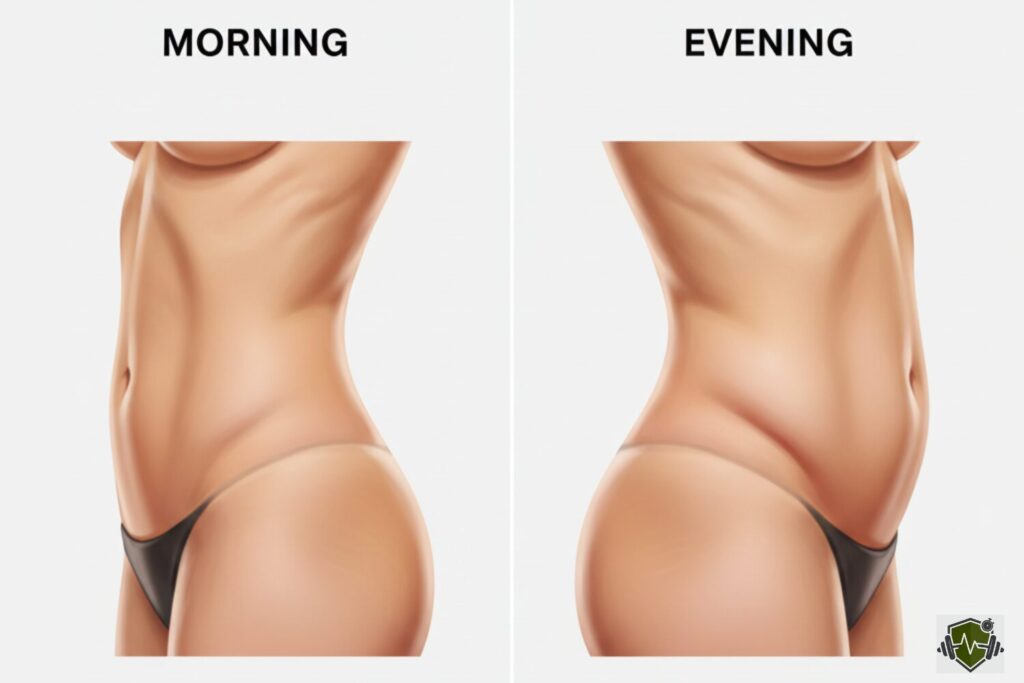
Signs It’s Likely Bloat
- Flat stomach in the morning, swollen by evening
- Tightness or pressure rather than softness
- Digestive symptoms after meals
Bloating is often linked to gut inflammation, food intolerances, sodium intake, or stress. Reducing bloat can make the lower belly appear flatter within days, even before fat loss begins.
The Hormone and Metabolism Connection
Lower belly fat is strongly tied to metabolic health.
Excess visceral fat increases the risk of metabolic syndrome, a cluster of conditions that includes elevated blood glucose, abnormal cholesterol levels, and high blood pressure.
When blood sugar spikes frequently, insulin stays elevated. This encourages fat storage and blocks fat breakdown. Over time, this disrupts leptin and ghrelin, the hormones that regulate hunger and fullness.
Fixing lower belly fat means improving blood glucose regulation, not just cutting calories.
Can You Spot Reduce Lower Belly Fat?
No, you cannot directly burn fat from one specific area. That part is true.
What most articles fail to explain is why.
Fat loss depends on circulation and hormone signaling. Areas with poor blood flow and more alpha receptors release fat more slowly. This is why endless crunches rarely change the lower belly.
What does help is targeted conditioning:
- Full-body fat loss through diet and cardio
- Core training to activate the transverse abdominis, the deep abdominal muscle
- High-intensity exercise to increase circulation and fat mobilization
You are not spot reducing, but you are creating the conditions for stubborn fat to finally release.
Best Exercises for Lower Belly Fat (No Equipment)
Core Activation Exercises
These activate the transverse abdominis and improve abdominal tone.
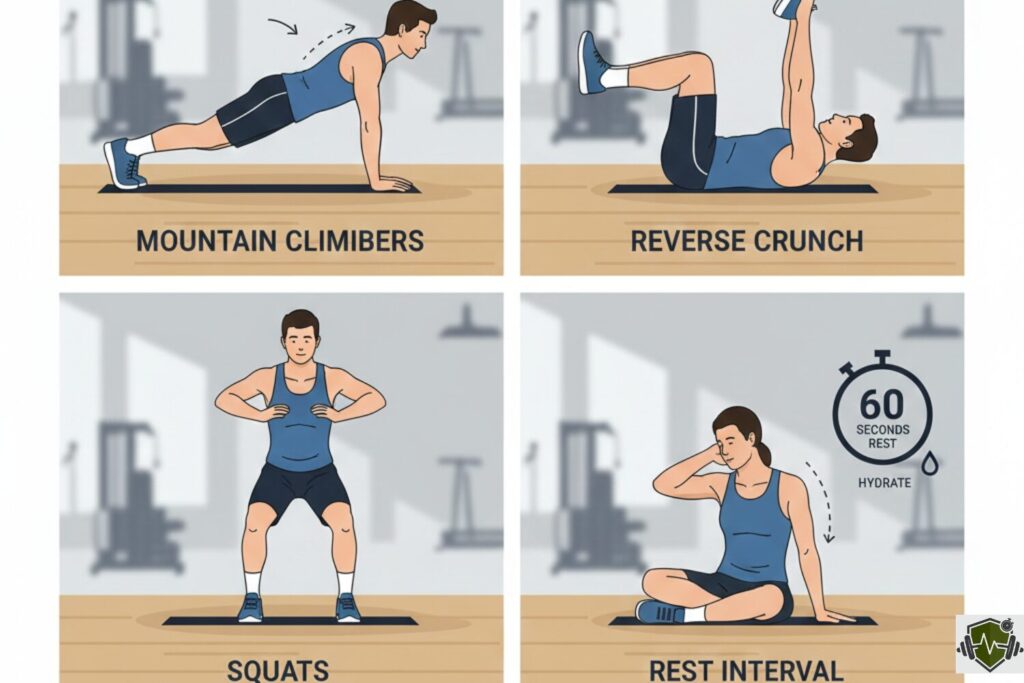
- Reverse crunch
- Dead bug
- Lying leg raise (controlled, slow)
Full-Body Fat Burning Moves
These raise heart rate and trigger EPOC (excess post-exercise oxygen consumption), meaning you burn more calories after the workout.
- Mountain climbers
- Squats
- Burpees (modified if needed)
10-Minute Lower Belly Circuit
- 30 seconds mountain climbers
- 30 seconds reverse crunch
- 30 seconds squats
- Rest 30 seconds
Repeat 3 times
This combination works better than isolated ab exercises alone.
Strength Training and Lower Belly Fat
Lifting weights matters more than most people realize.
Strength training promotes muscle hypertrophy, which increases your basal metabolic rate (BMR). A higher BMR means you burn more calories at rest, not just during workouts.
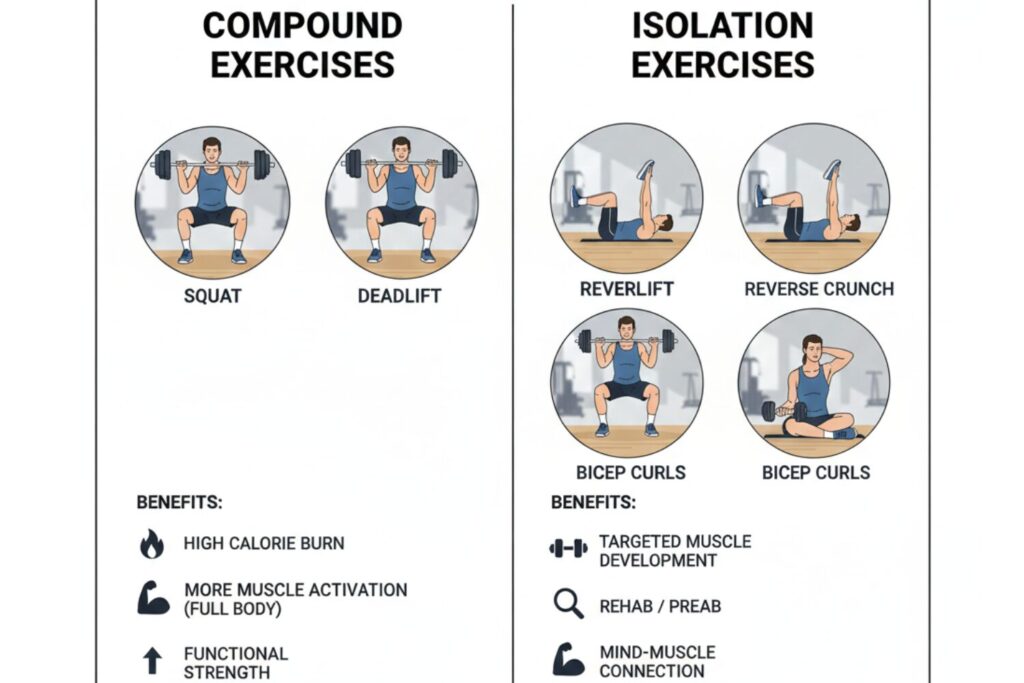
Compound movements like squats and deadlifts outperform isolation exercises like crunches because they engage multiple muscle groups and drive higher energy demand.
Even two to three sessions per week can significantly improve fat loss outcomes.
Diet Changes That Reduce Lower Belly Fat
Focus on Blood Sugar Control
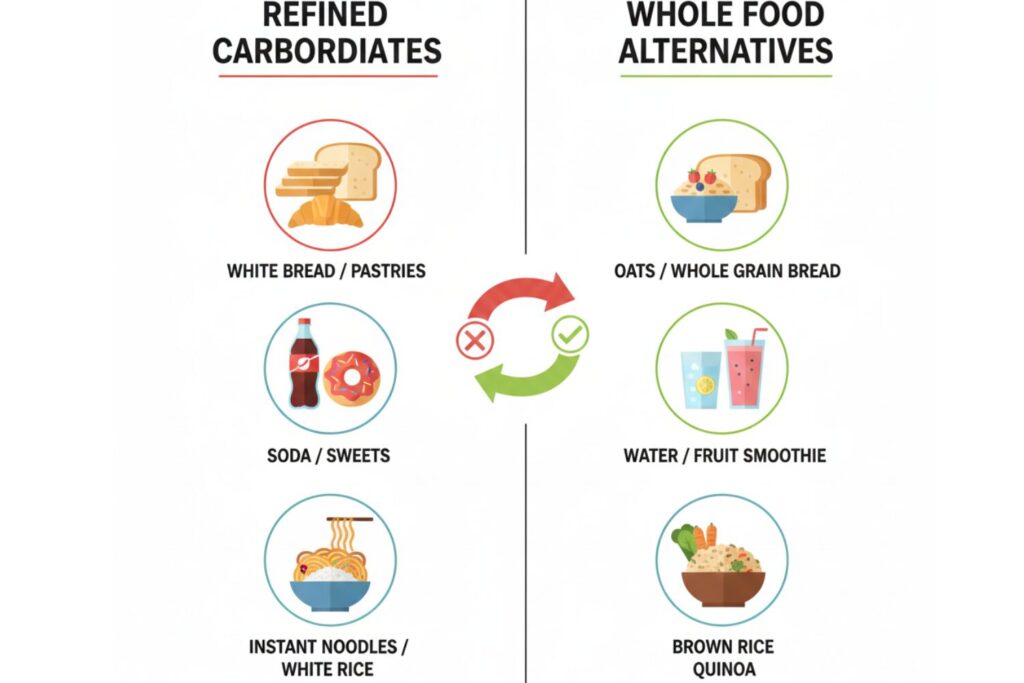
Foods with a high glycemic index cause rapid spikes in blood sugar. These spikes increase insulin and encourage fat storage, especially in the abdomen.
Limit:
- Refined carbohydrates like white bread and pastries
- Sugary drinks
- Highly processed snacks
Choose:
- Whole grains
- Vegetables
- Lean protein
Protein and the Thermogenic Effect of Food
Protein has a higher thermogenic effect of food (TEF) than carbs or fat. Your body burns more calories digesting protein, which supports fat loss and muscle maintenance.
Protein also improves satiety by helping regulate leptin and ghrelin.
Soluble Fiber and Gut Health
Soluble fiber slows digestion and improves insulin sensitivity. It is particularly effective for reducing visceral fat.
Good sources include:
- Oats
- Beans
- Chia seeds
- Apples
Omega-3 Fatty Acids
Omega-3s help reduce inflammation linked to gut bloating and abdominal fat storage. They also support metabolic health.
Sources include fatty fish, walnuts, and flaxseeds.
Low-Carb Diets and Energy Balance
Reducing carbohydrates can improve insulin sensitivity and reduce water retention. When carbs are lowered, the body increases gluconeogenesis, producing glucose from stored sources to maintain energy balance.
This can help reduce lower belly bloating early on, but long-term success still depends on consistency and nutrient balance.
Stress, Sleep, and the Lower Belly
Chronic stress raises cortisol, which directly signals fat storage in the abdominal region.
Poor sleep worsens insulin resistance and increases hunger hormones the next day.
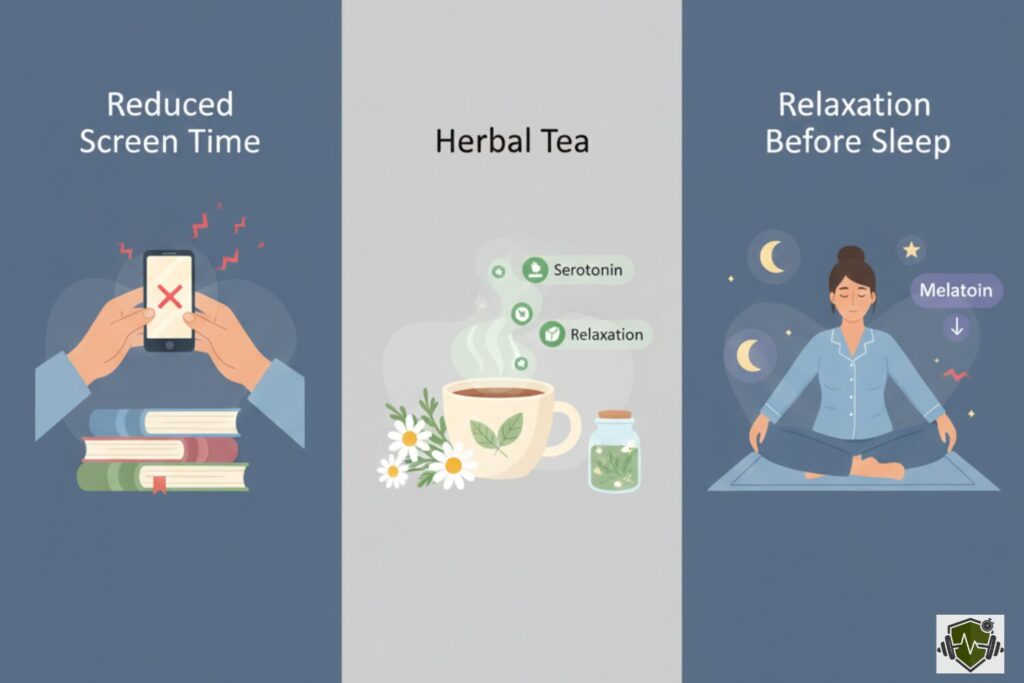
A simple nightly routine can help:
- Reduce screen time one hour before bed
- Keep sleep and wake times consistent
- Support relaxation through breathing or light stretching
These changes do not sound dramatic, but they strongly influence lower belly fat over time.
Daily Movement Matters More Than You Think
Beyond workouts, daily activity matters.
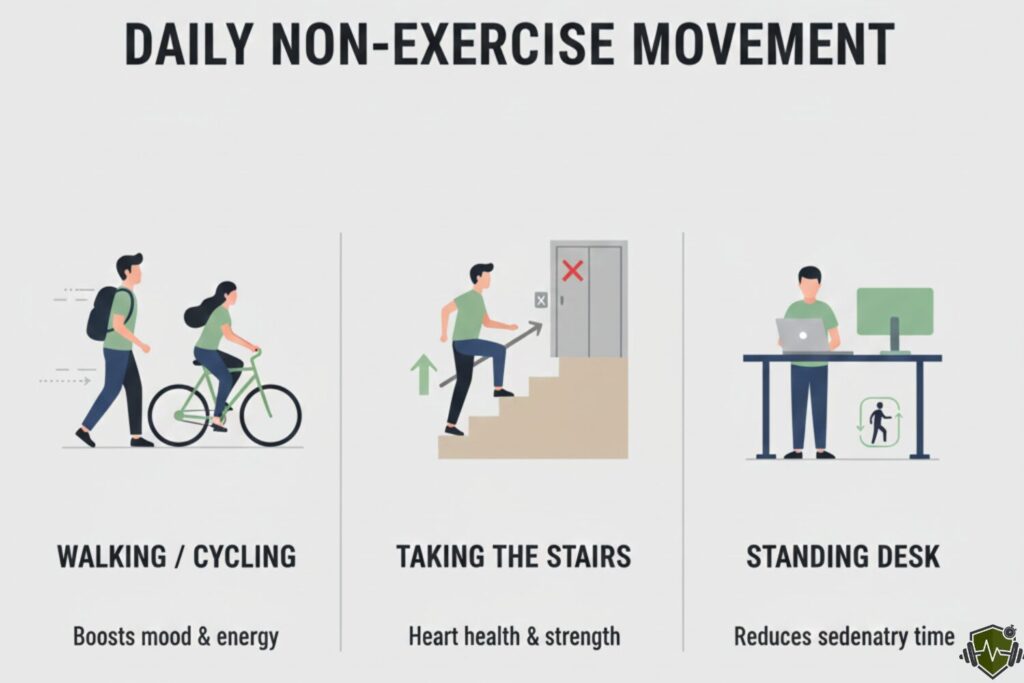
NEAT (Non-Exercise Activity Thermogenesis) includes walking, standing, cleaning, and general movement. Increasing NEAT can significantly boost calorie burn without formal exercise.
Simple habits like walking after meals or taking the stairs add up.
How Long Does It Take to Lose Lower Belly Fat?
Visible changes usually take several weeks, not days.
Bloating may decrease within the first week. Fat loss typically becomes noticeable after four to six weeks of consistent nutrition, training, and sleep.
Progress depends on:
- Hormonal health
- Stress levels
- Starting body composition
- Consistency
Avoid relying only on the scale. Body composition tools like bioimpedance scales can provide additional context, though visual progress and how clothes fit matter more.
Final Thoughts
Lower belly fat is not a failure of discipline. It is a complex interaction between hormones, metabolism, stress, and lifestyle.
When you focus on improving metabolic health, regulating blood sugar, training smart, and managing stress, the lower belly eventually responds.
Be patient. Be consistent. The science is on your side.
Frequently Asked Questions
Why is my lower belly fat so stubborn?
It contains more alpha fat receptors and is strongly influenced by hormones like cortisol and insulin.
Can walking help reduce lower belly fat?
Yes. Walking improves insulin sensitivity, reduces stress, and increases daily calorie burn.
Is lower belly fat dangerous?
Excess visceral fat increases the risk of metabolic syndrome and cardiovascular disease.
How long does it take to flatten the lower belly?
Bloat can improve quickly. Fat loss usually takes several weeks of consistent effort.

Asad Ullah is the founder and lead researcher at CombatFitnessScore.com, a resource dedicated to helping U.S. Army soldiers, ROTC cadets, and fitness enthusiasts understand and prepare for the Army Fitness Test (AFT).
With a deep interest in military fitness and physical readiness, [Author Name] has spent considerable time studying official U.S. Army regulations, FM 7-22 (Army Physical Readiness Training), and the latest AFT scoring standards published by the Department of the Army.
Every article and calculator on this site is built on official Army data — not guesswork. [Author Name] regularly updates content to reflect the latest policy changes, including the 2025 transition from the ACFT to the AFT.
What this site covers:
AFT & ACFT scoring standards by age, gender, and MOS
Training tips based on Army-approved methods
Score calculators updated with the latest 2026 data
Have a question or found an error? Reach out at [email] — accuracy is our top priority.