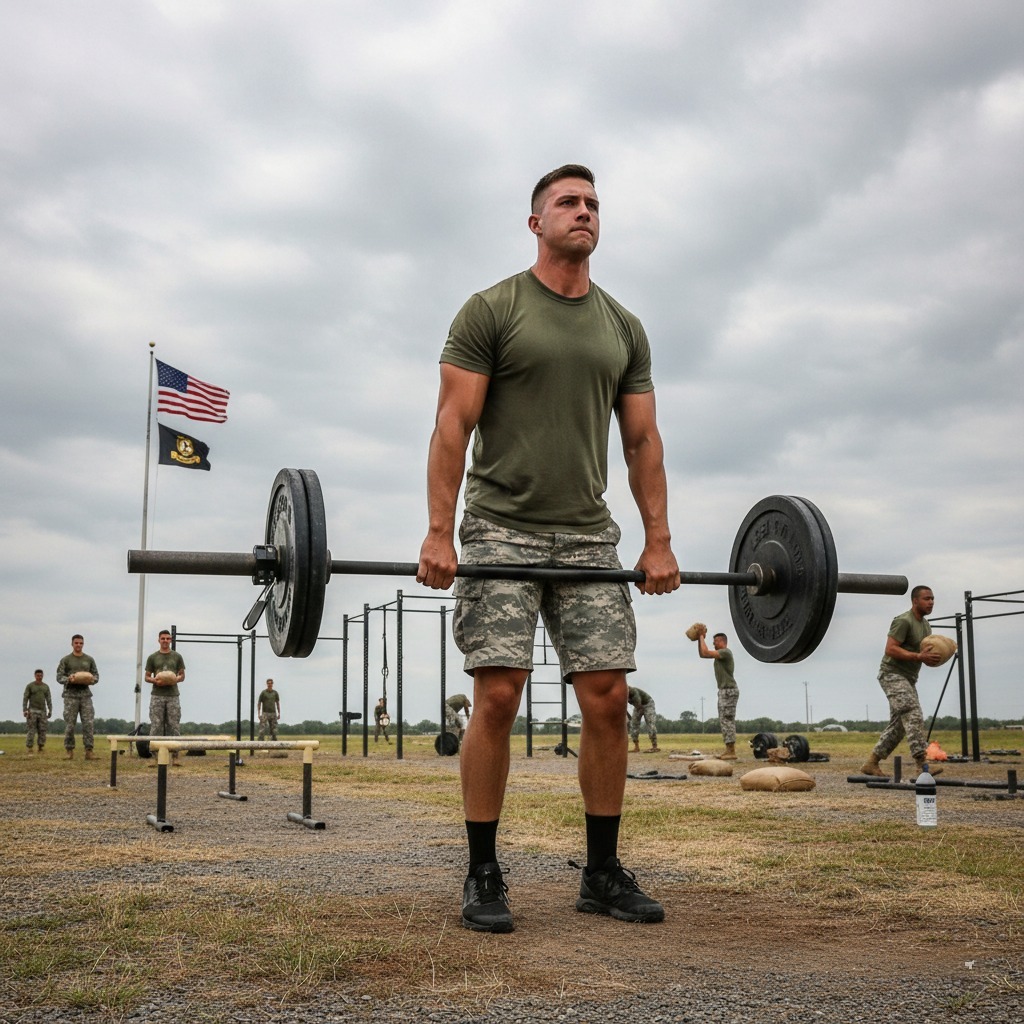
Push-ups have earned their place as one of the most effective bodyweight exercises ever created. The real benefits of push-ups go far beyond building arm strength. This simple movement trains the chest, shoulders, triceps, and core at the same time, making it a true compound exercise.
Research shows that push-ups can improve upper-body strength, posture, bone health, and cardiovascular fitness when performed consistently. Best of all, push-ups require no equipment and adapt easily to different fitness levels. Whether you are just starting or training seriously, push-ups remain a reliable and proven choice.

Key Takeaways
- Push-ups are a compound exercise that works multiple muscle groups
- They build upper body strength and core stability at the same time
- Regular push-ups support posture improvement, bone density, and cardiovascular health
- Push-ups suit beginners and advanced trainees through simple fitness level adaptations
- They remain one of the most practical home workout exercises ever created
Muscles Worked in Push-Ups
A common question is, what muscles do push-ups work? The short answer is more than most people expect.
Push-ups are not just a chest exercise. They involve full-body muscle engagement from start to finish.
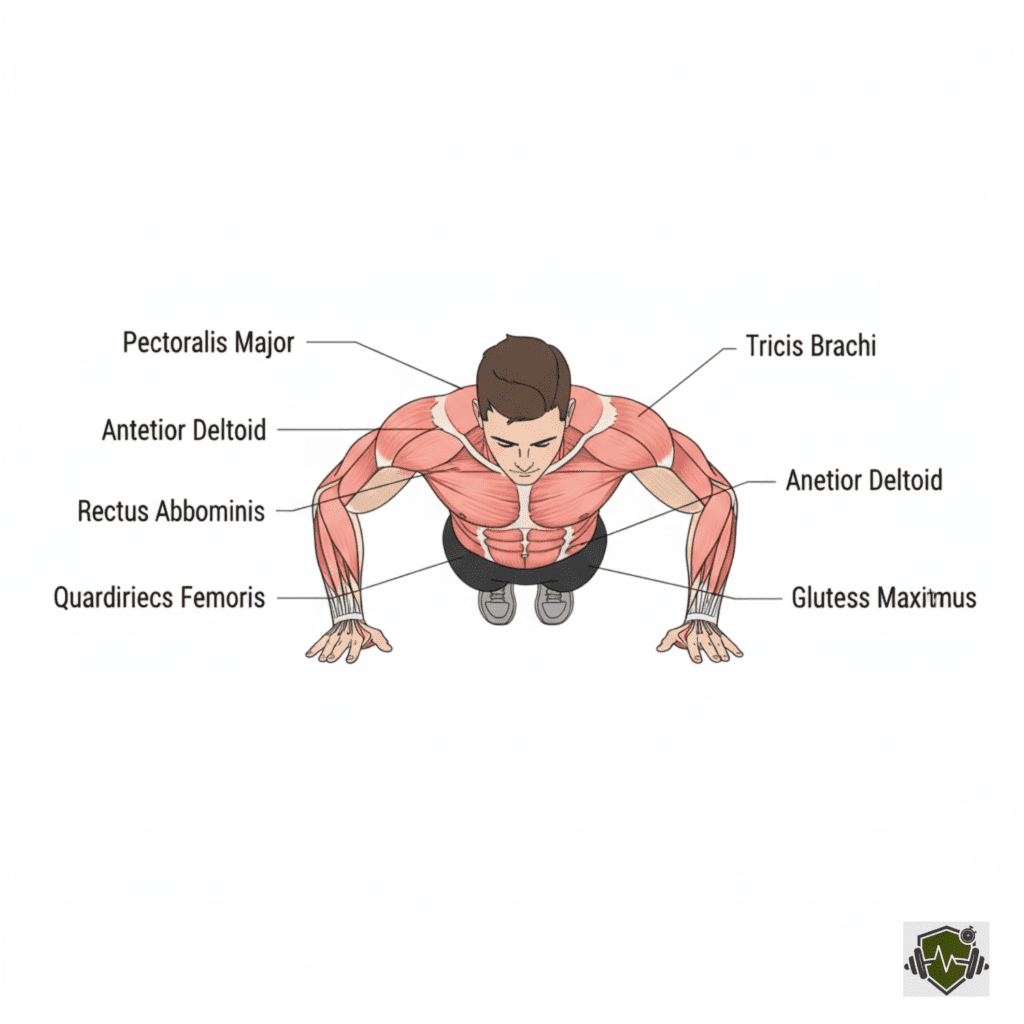
Primary muscles worked during push-ups:
- Chest (pectoralis major)
- Shoulders (anterior deltoids)
- Arms (triceps)
Secondary and stabilizing muscles:
- Abdominals and obliques
- Lower back muscles
- Glutes
- Quadriceps
According to strength and conditioning research, push-ups activate the chest, shoulders, and triceps while demanding constant core stability. This explains why push-ups feel challenging even without added weight.
1. Push-Ups Work Multiple Muscle Groups
One of the biggest push-ups benefits is efficiency. Push-ups train several muscles at once, which makes them a true compound exercise.
Your arms push your body away from the floor. Your chest assists with force production. Your core resists movement to keep your body aligned. Your legs stay active to support balance and movement control.
Compound movements improve functional strength, meaning strength that carries over to daily activities. Lifting objects, pushing doors, and maintaining balance all rely on similar muscle coordination.
This is why push-ups outperform many isolation movements in real-life strength development.
2. Push-Ups Build Upper-Body Strength
Push-ups are excellent upper body strength exercises. They target the chest, shoulders, and triceps through a natural pressing pattern.
Research published in the Journal of Strength and Conditioning Research shows that push-ups can activate chest muscles at levels comparable to the bench press when performed with proper push-up form. This makes push-ups a legitimate strength-building option, not a beginner-only movement.
When comparing push-ups vs bench press, the main difference lies in load type. Push-ups use bodyweight resistance, while bench press adds external weight. Both build strength, but push-ups also require greater joint stability and core control.

3. Push-Ups Strengthen the Core
Many people ask, are push-ups good for your core? The answer is yes, if your form is correct.
During each repetition, your core works to prevent sagging hips or arching lower back. This creates strong anti-extension strength, which supports the spine and improves balance.
Harvard Health Publishing explains that exercises requiring plank-like positions improve core stability and posture. Push-ups combine this benefit with upper body movement, making them more effective than static holds alone.
This makes push-ups one of the best push-ups for core strength exercises you can do anywhere.

4. Push-Ups Improve Posture
Poor posture often develops from weak shoulders, chest muscles, and core support. Push-ups strengthen these areas together.
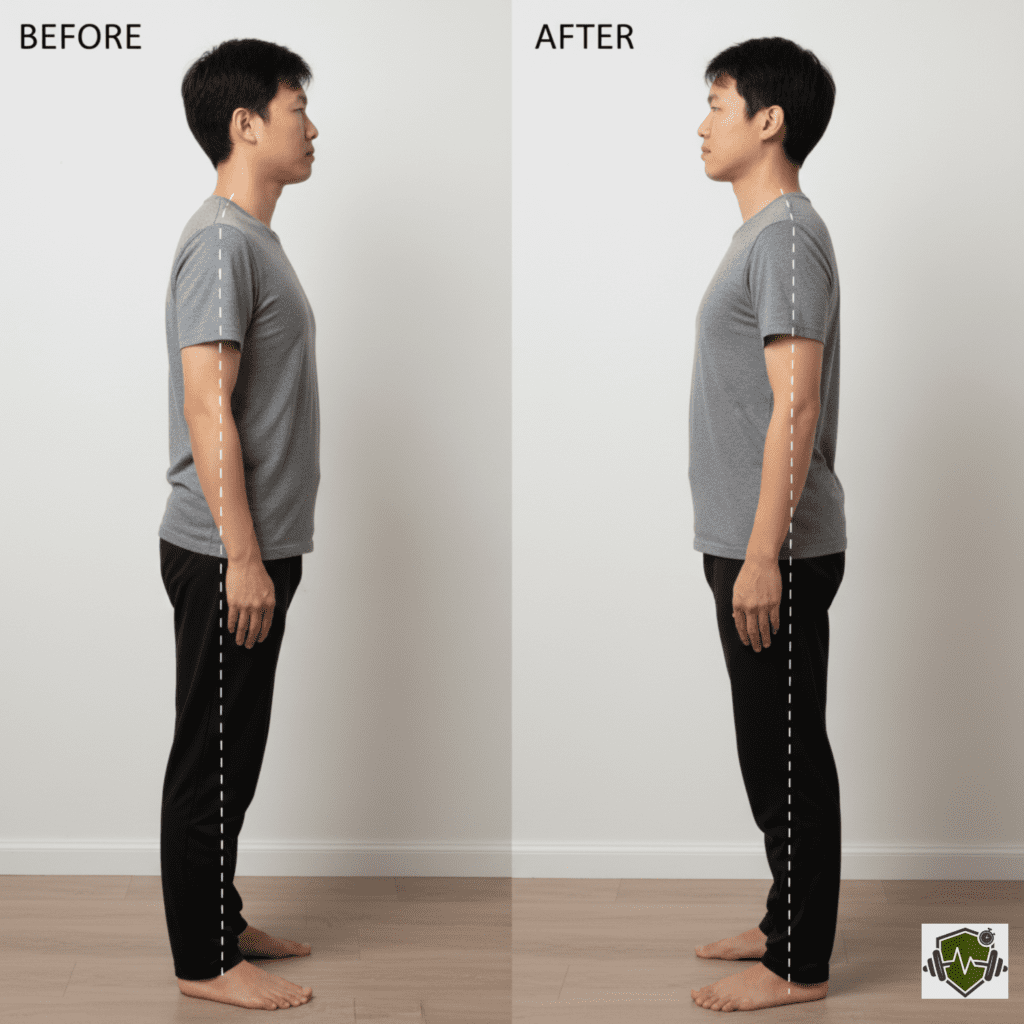
Consistent push-up training improves shoulder positioning, upper-back engagement, and spinal alignment. Over time, this leads to noticeable posture improvement, especially for people who sit for long hours.
Physical therapists often recommend push-up variations to support shoulder health and joint stability. Strong muscles help hold the body in better alignment without conscious effort.
Good posture is not about reminders. It is about strong muscles doing their job.
5. Push-Ups Support Bone Health
Push-ups count as weight-bearing exercises, which play a key role in maintaining bone density.
According to the National Institutes of Health, resistance training stimulates bone tissue and helps reduce the risk of bone loss over time. Push-ups load the arms, shoulders, and spine safely when performed with proper technique.
Bone health matters at every age. Strong bones support movement, balance, and injury prevention later in life. Push-ups offer a low-impact way to support skeletal strength without heavy equipment.

6. Push-Ups Boost Heart Health
Push-ups also contribute to heart health and fitness. While they are not a replacement for cardio, they elevate heart rate and support cardiovascular health when performed in higher reps or circuits.
A study published in JAMA Network Open found that men who could perform more push-ups had a lower risk of cardiovascular events. While push-ups alone do not guarantee heart health, they serve as a strong indicator of overall physical performance.
This answers a common question: are push-ups good for heart health? When combined with regular movement and exercise consistency, they play a positive role.

7. Push-Ups Are Convenient and Versatile
Few exercises match the convenience of push-ups. They require no equipment and minimal space, making them ideal home workout exercises.
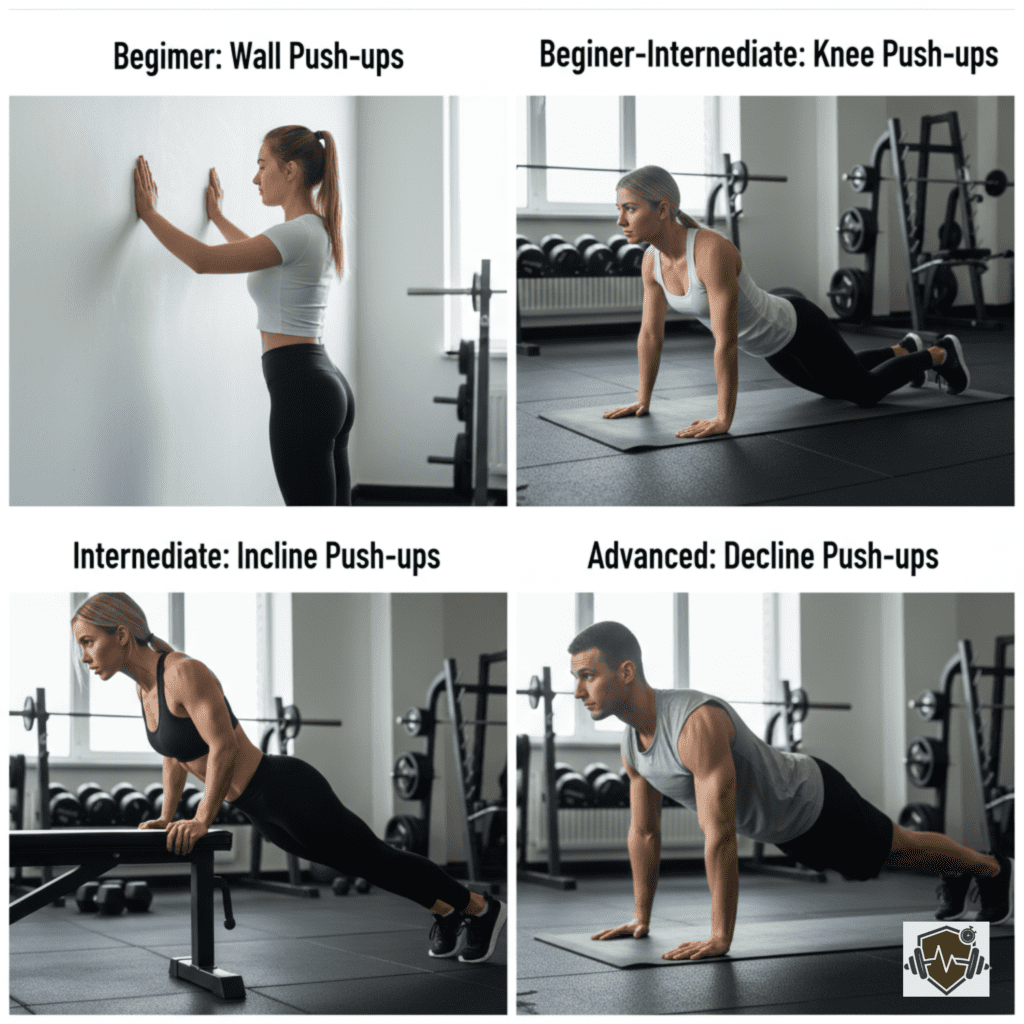
Push-ups also adapt easily to different fitness levels:
- Wall push-ups for beginners
- Knee push-ups for reduced load
- Incline push-ups for gradual strength building
- Decline push-ups for advanced training
These push-up variations allow long-term progression without changing exercises. This versatility supports exercise consistency, which matters more than intensity alone.
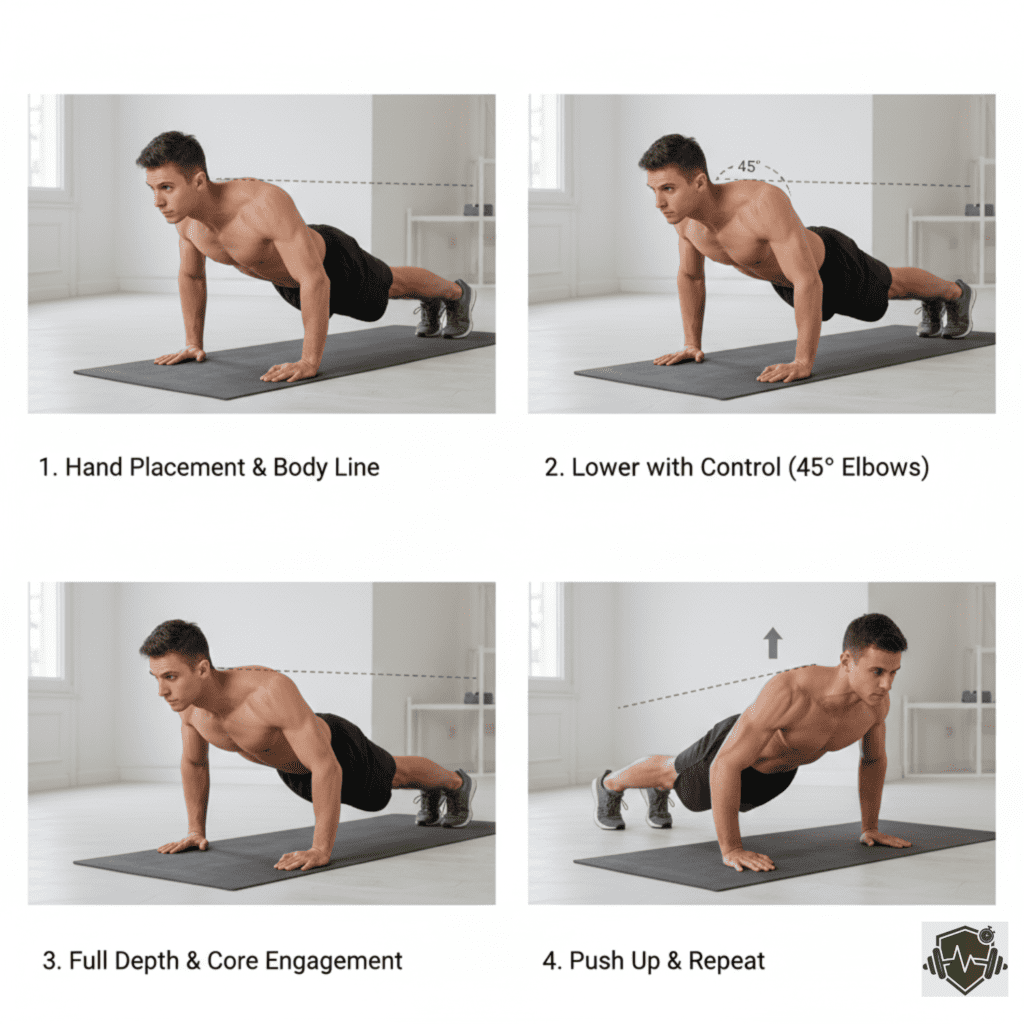
How to Do a Push-Up Correctly
Proper technique maximizes push-up exercise benefits and reduces injury risk.
Steps for proper push-up form:
- Place hands slightly wider than shoulder-width
- Keep your body in a straight line from head to heels
- Engage your core and glutes
- Lower your chest toward the floor with control
- Keep elbows slightly angled, not flared
- Push back up until arms extend fully
Common mistakes to avoid:
- Sagging hips
- Rushed repetitions
- Partial range of motion
- Poor breathing
Focus on exercise form and technique. Ten clean reps deliver more value than twenty sloppy ones.
Final Thoughts: Why Push-Ups Belong in Any Routine
Push-ups have survived fitness trends for one simple reason. They work.
The benefits of push-ups include strength training, posture improvement, joint stability, and cardiovascular support. They suit beginners, challenge advanced athletes, and fit into any workout routine.
If you ever wonder, are push-ups enough for strength, the answer depends on consistency and progression. When performed regularly and with good form, push-ups build real, usable strength.
Sometimes the most effective exercises are also the simplest. Push-ups prove that point every single day.

Asad Ullah is the founder and lead researcher at CombatFitnessScore.com, a resource dedicated to helping U.S. Army soldiers, ROTC cadets, and fitness enthusiasts understand and prepare for the Army Fitness Test (AFT).
With a deep interest in military fitness and physical readiness, [Author Name] has spent considerable time studying official U.S. Army regulations, FM 7-22 (Army Physical Readiness Training), and the latest AFT scoring standards published by the Department of the Army.
Every article and calculator on this site is built on official Army data — not guesswork. [Author Name] regularly updates content to reflect the latest policy changes, including the 2025 transition from the ACFT to the AFT.
What this site covers:
AFT & ACFT scoring standards by age, gender, and MOS
Training tips based on Army-approved methods
Score calculators updated with the latest 2026 data
Have a question or found an error? Reach out at [email] — accuracy is our top priority.